VRF System in Port Harcourt

Struggling With Uneven Cooling? VRF Systems for Port Harcourt Buildings

Cooling a modern commercial building rarely comes down to one number. Offices, hotels, hospitals, retail spaces, and other large facilities usually have several zones with genuinely different cooling needs, room to room and floor to floor, and a single conventional AC unit often can't give a building that kind of control.

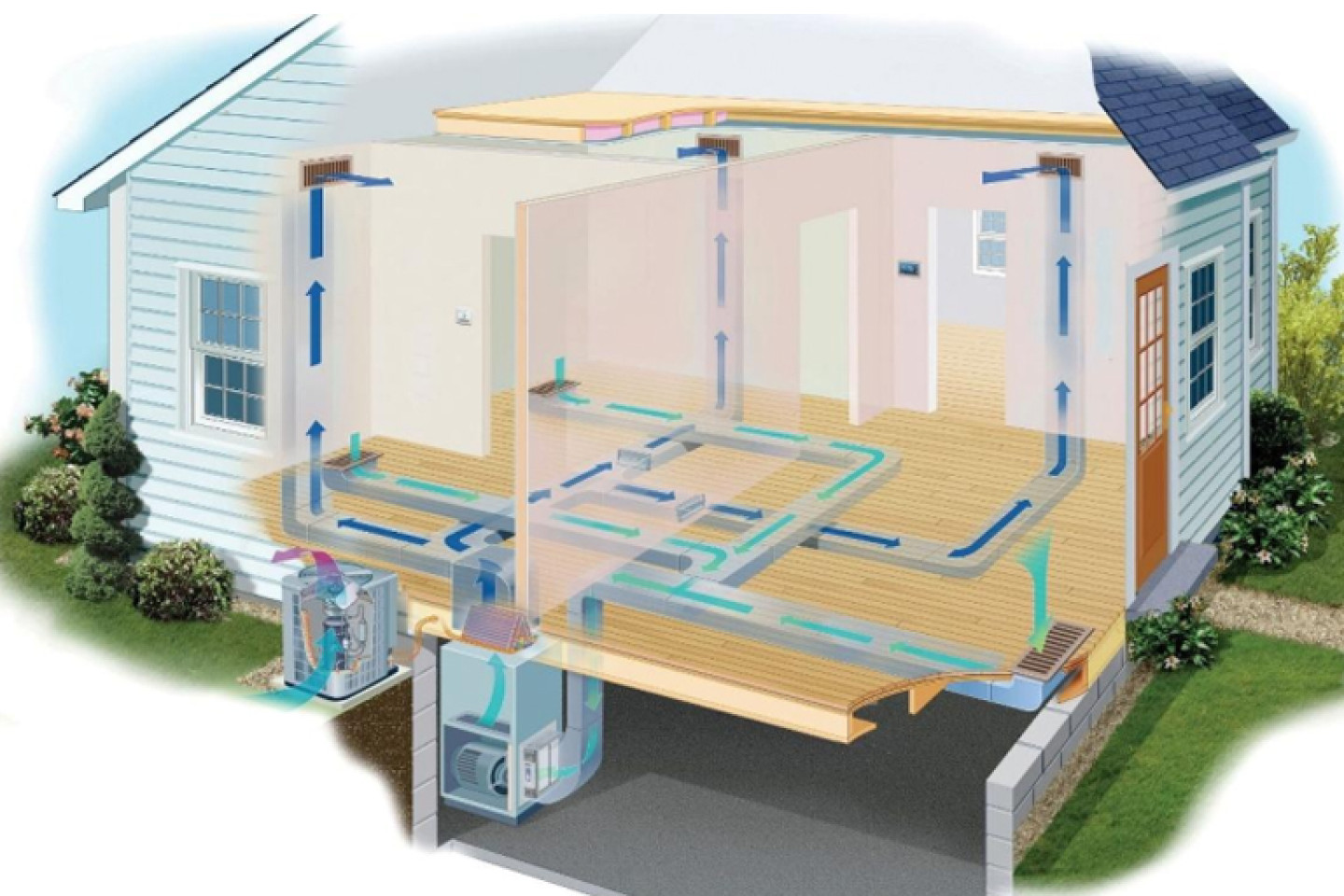
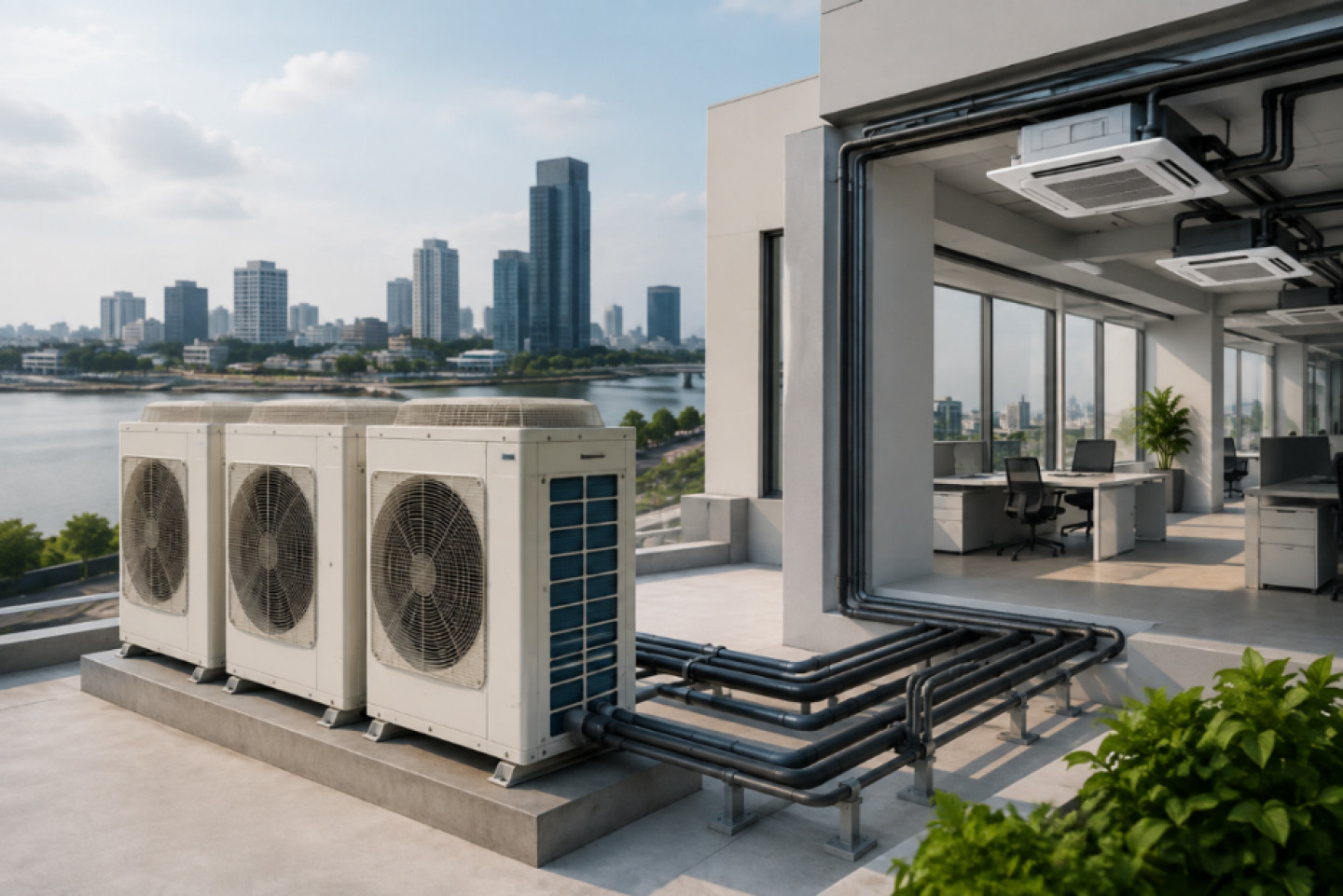
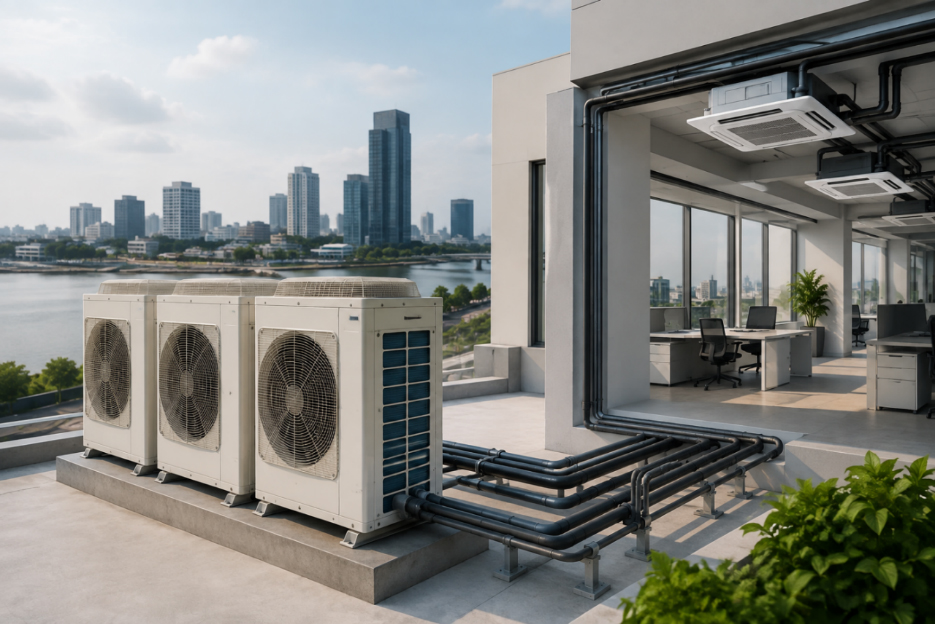
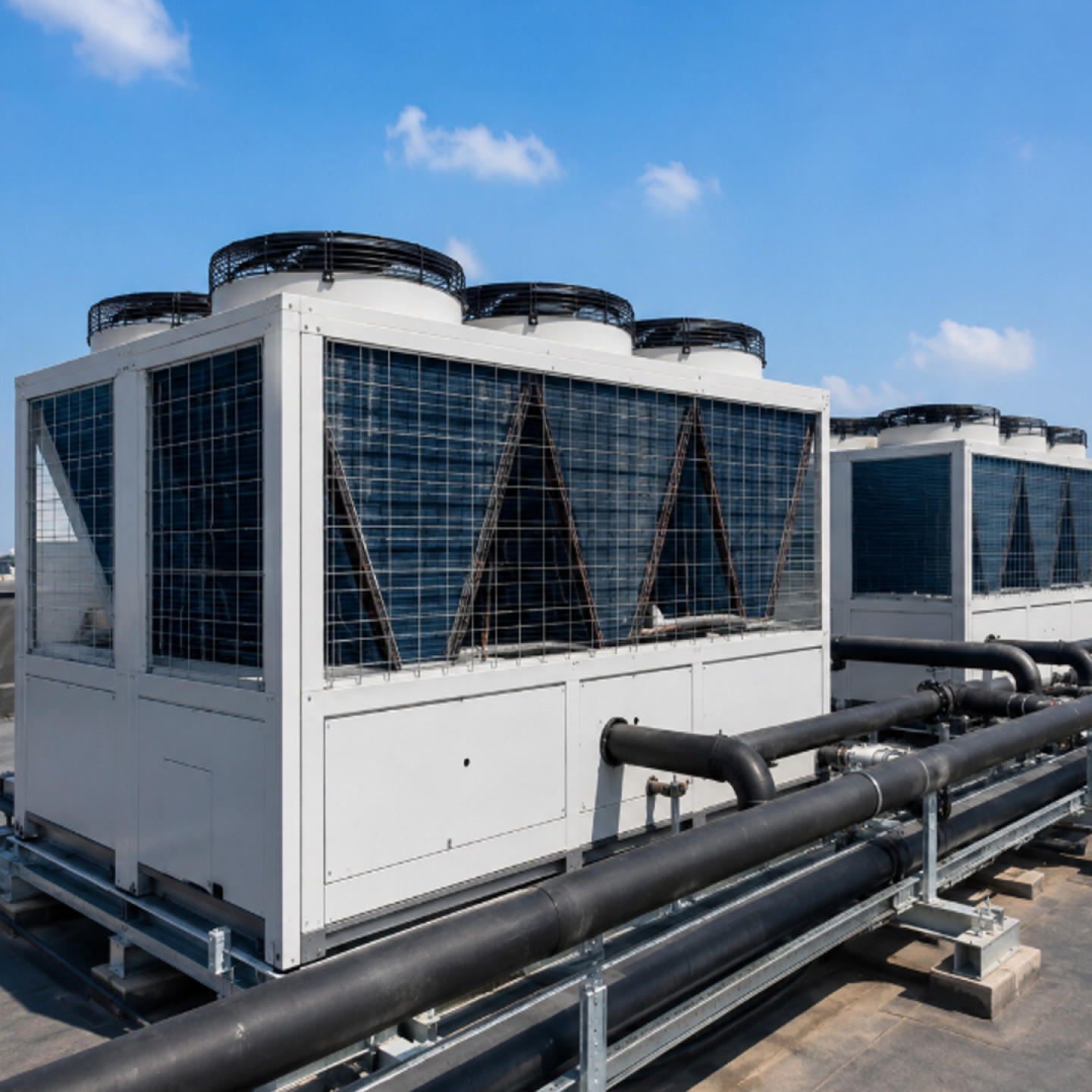
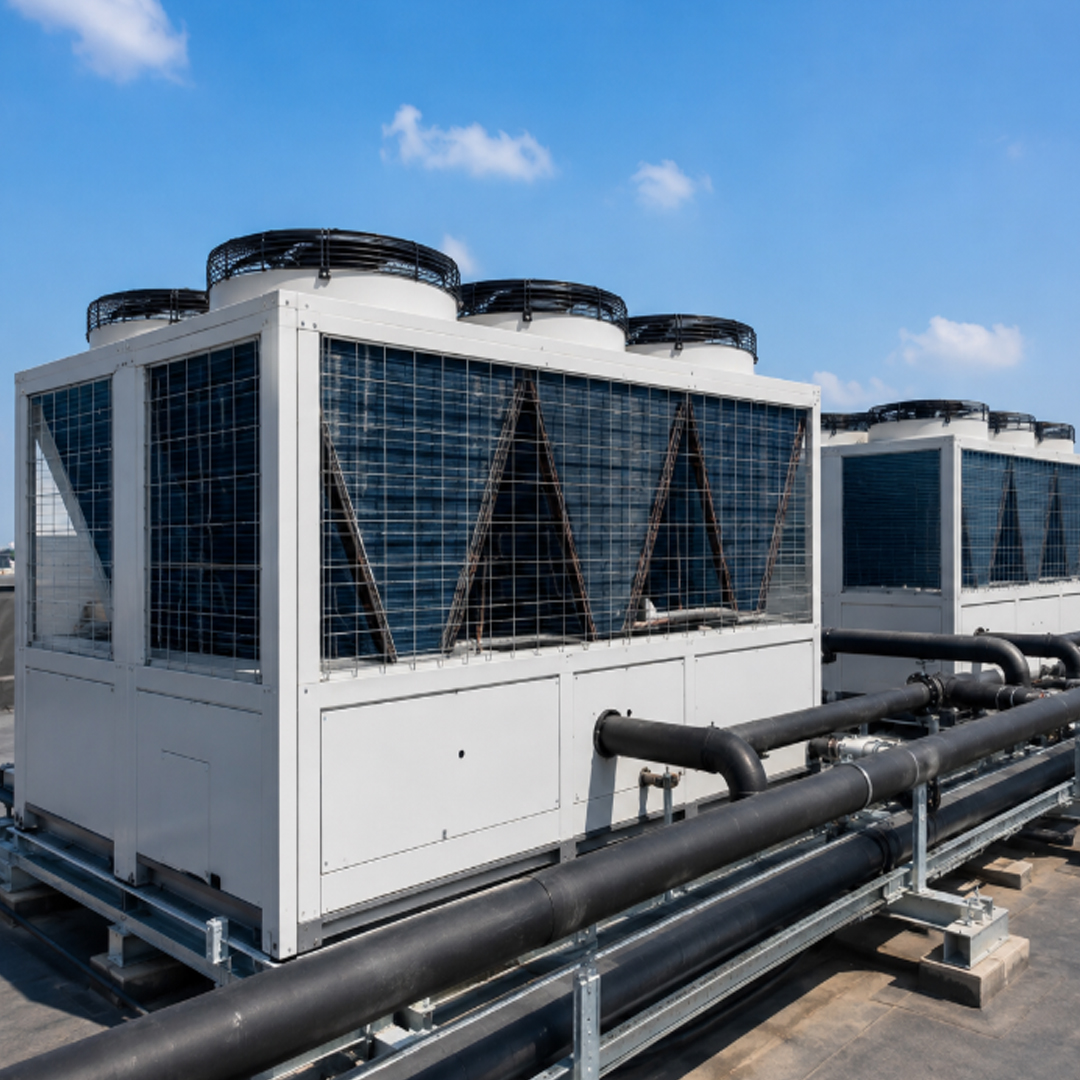
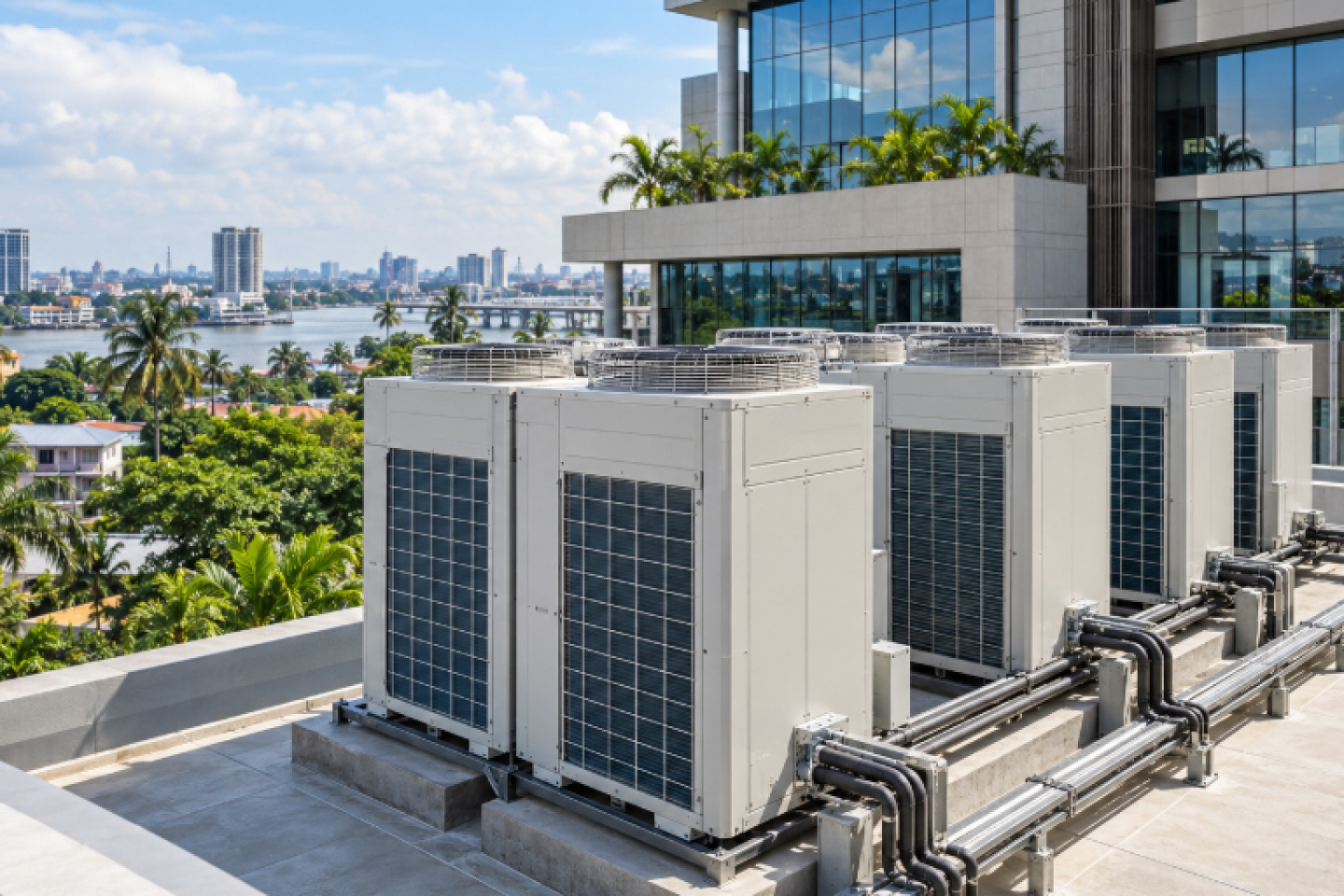
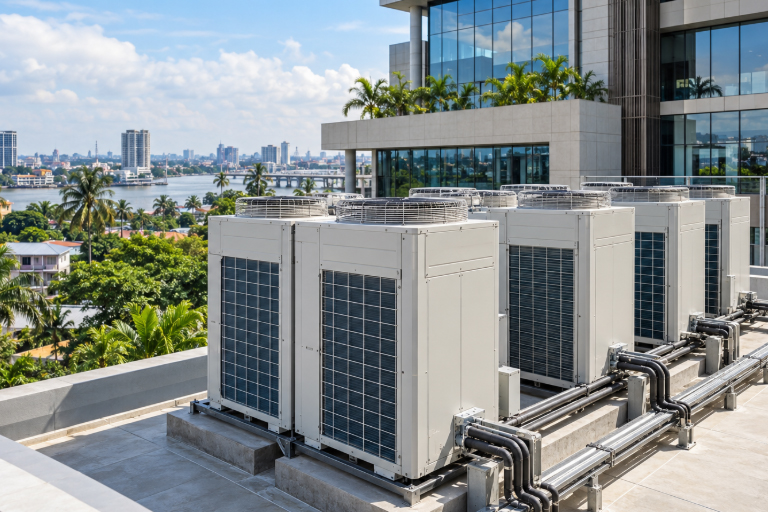
A VRF System in Port Harcourt addresses that directly, VRF stands for Variable Refrigerant Flow: one outdoor system serves multiple indoor units, and refrigerant flow adjusts to whatever each zone actually demands at a given moment. At Pygar Group, we start by understanding a building's cooling requirements, then match a solution to its size, use, and operating conditions.

What Is a VRF System?

A VRF system conditions, and in some configurations heats, several areas of a building at the same time. It doesn't run every indoor unit at identical capacity. Instead, refrigerant flow shifts to match demand room by room; a busy conference room might draw heavily on the system while an empty office two doors down barely uses it at all.

Top Benefits of VRF Systems

Energy efficiency is usually the first reason a building looks at VRF. Refrigerant flow tracks actual demand rather than running every indoor unit flat out, so the system isn't burning electricity on cooling nobody's using. Over the many hours a day most commercial buildings run air conditioning, that difference shows up directly in the utility bill.

Room-level control follows the same logic. A server room, an office, a meeting room, and a reception area don't need identical temperatures. Zoned control means each indoor unit can be adjusted on its own, so one department can run its space cooler without dragging the temperature down for everyone else in the building.

Installation flexibility is another factor worth weighing. Several indoor units can connect to one outdoor system, so the layout suits offices, hotels, hospitals, and any property split into multiple independent spaces, and expanding or reconfiguring cooling later is generally more straightforward than with a conventional setup. Because the outdoor equipment stays relatively compact even as more indoor units are added, VRF also tends to fit buildings where plant room space is tight to begin with.

Comfort improves for a similar reason. Refrigerant flow adjusts continuously instead of cycling a compressor on and off at full capacity, so indoor temperatures hold steadier, something that matters in offices, hotels, healthcare facilities, and retail spaces where people are around all day. Compressor noise is less of an issue too. Most VRF equipment runs quieter than the larger conventional systems it tends to replace.

Centralised controls round out the list. Building operators can monitor and adjust indoor units from a single interface, catch problems before they turn into bigger ones, and schedule maintenance around what the system is actually reporting rather than a fixed calendar.

Where Can VRF Systems Be Used?

VRF fits a wide range of property types:

  • Corporate offices
  • Hotels and guest houses
  • Hospitals and healthcare facilities
  • Shopping centres and retail outlets
  • Educational buildings
  • Restaurants
  • Mixed-use commercial properties

For buildings in Port Harcourt, choosing the right system means weighing building orientation, occupancy, heat load, operating hours, and available installation space.

Why Professional VRF Installation Matters

A VRF system's performance comes down to design, installation, and commissioning as much as the equipment itself. Refrigerant piping, indoor unit placement, outdoor unit selection, and control settings all have to be planned properly, or the system underperforms no matter how good the units are on paper.

At Pygar Group, we start by understanding the building and its cooling requirements, then design a system built around comfort, efficiency, and reliable day-to-day operation.

VRF Systems vs Conventional Air Conditioning

Conventional air conditioning still makes sense for smaller or simpler applications. Larger buildings tend to get more out of VRF, mainly because independent zone control cuts down on unnecessary cooling and gives facility managers finer control over temperature building-wide. Even so, the right choice always comes back to the building itself, and a proper cooling load assessment should happen before any equipment gets selected.

Plan Your VRF Installation With Pygar Group

A well-designed VRF system offers efficient operation, room-by-room control, and practical zoning for buildings whose cooling needs vary a lot from space to space. That makes it a solid alternative to conventional air conditioning for many commercial properties. If you're planning a new installation or upgrading an existing one, our VRF specialists can assess your building and help you choose a solution built for reliable performance in Port Harcourt and across Lagos, Nigeria.

Speak with our team about your building and cooling requirements, or let us help you plan a VRF air conditioning solution that balances comfort, efficiency, and dependable operation.

Frequently Asked Questions

What is a VRF system used for?

Cooling, and in some systems heating, for multiple rooms or zones at once. It's most common in commercial buildings and larger residential properties.

Is VRF suitable for commercial buildings?

Generally, yes. Offices, hotels, hospitals, retail spaces, and similar properties that need independent temperature control across several areas are a good match.

Does a VRF system help reduce electricity consumption?

It can. Refrigerant flow adjusts to the cooling demand of individual zones instead of running everything at full capacity, though actual savings depend on system design, usage patterns, maintenance, and operating conditions.

How should I choose a VRF system for my building?

Start with the basics: cooling load, room count, occupancy, operating hours, available installation space, and where the building is headed in the next few years. Professional design and installation take it from there.

Air Cooled Chillers in Lagos

How Air-Cooled Chillers Help Lower Energy Costs in Lagos

Commercial buildings, retail stores, offices, hospitals, hotels, and industrial facilities all feel the cost of running energy-intensive equipment, and cooling is usually the biggest line item on that list, especially anywhere air conditioning runs for most of the year. Getting the cooling system right is one of the more direct ways a facility can control its operating costs.

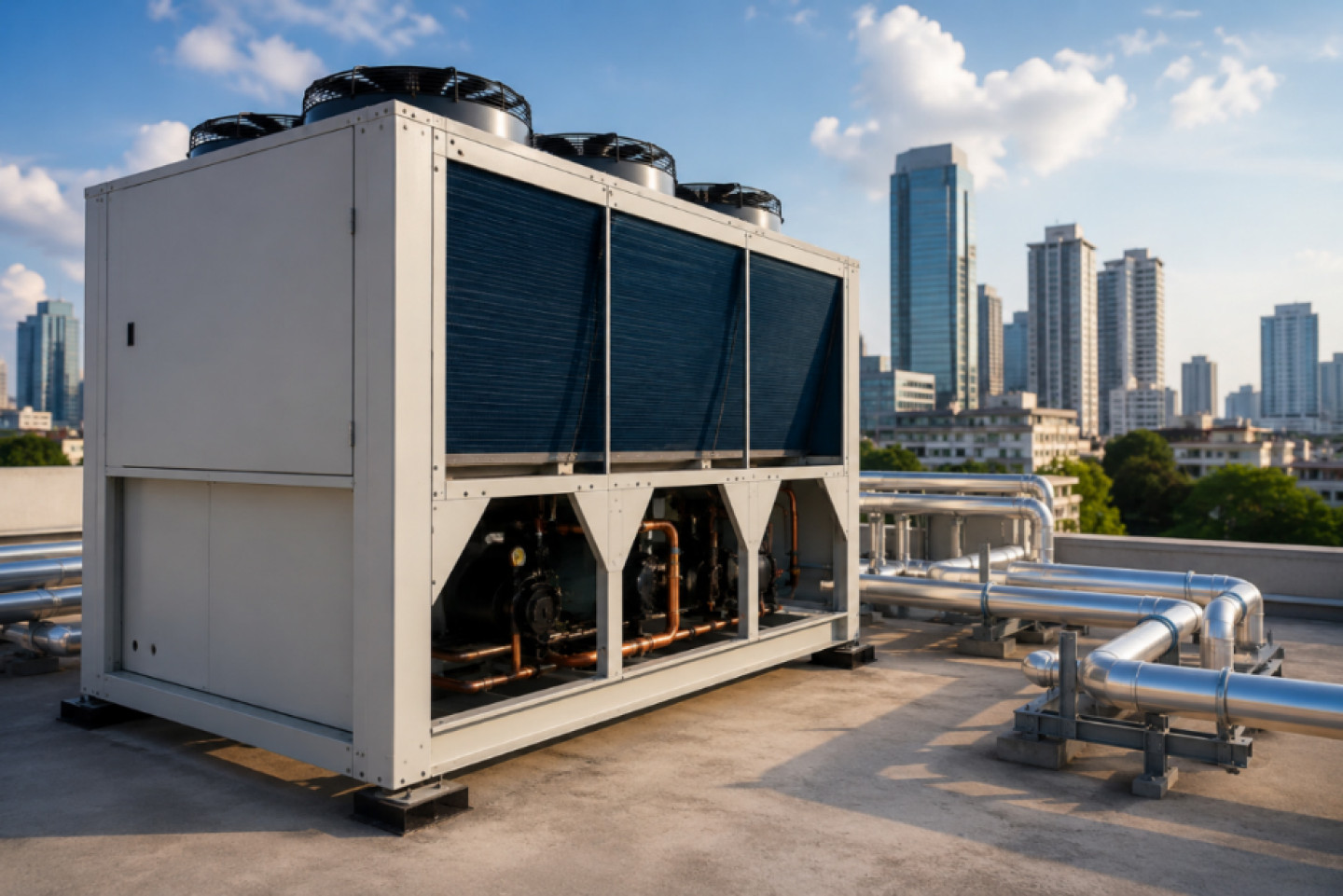
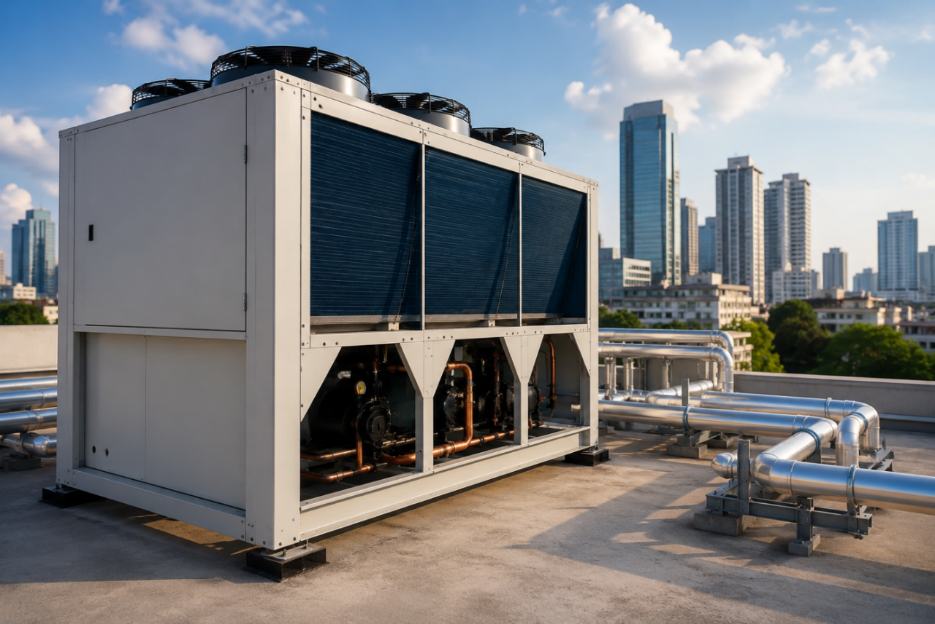
Air Cooled Chillers in Lagos offer a reliable, balanced way to do that with more control over energy spend. Instead of relying on a cooling tower, discharge water, and the equipment that goes with it, an air-cooled chiller rejects heat straight into the air - which means no cooling tower, no water pumps, and no related upkeep.

The team at Pygar Group works with businesses to understand their cooling requirements and match a solution to the building's size and energy goals.

Why Chiller Energy Efficiency Matters

A chiller does more than cool air - it removes heat from a building, and the wrong equipment for that job means higher energy bills through inefficiency alone. A well-matched commercial chiller delivers the cooling capacity a building actually needs while using as little energy as possible to get there.

Several other factors shape how much energy a system uses:

  • The condition of the equipment
  • Building size
  • The building's heat load
  • Operating hours
  • Outdoor temperatures
  • Chiller capacity
  • How well the equipment is maintained
  • Control systems
  • Air distribution
  • Insulation

Together, these factors give facility managers a clearer picture of where a properly adjusted heating and cooling system can actually save energy.

Why Air Cooled Chillers Use Less Energy

Removing the cooling tower removes a lot of the cost and hassle that comes with it. An air cooled chiller rejects heat through condenser coils and fans instead, which cuts the electricity that would otherwise go to cooling tower pumps and fans - and with no cooling tower, there's no water treatment to manage either. That's a real advantage for anyone looking for a more straightforward HVAC setup.

Most commercial buildings don't need full cooling capacity around the clock. Chillers can be controlled to run at only the capacity actually needed at a given time, which avoids wasting energy and reduces the supporting equipment the system needs to run.

Fewer supporting components also means less to maintain. An air cooled system typically comes down to condenser coils, fans, filters, and connections, fewer parts that depend on other systems, which makes routine checks and part replacement more straightforward.

Keeping a system clean matters more than it might seem. Dirt on the coils, blocked air paths, and worn motors are common sources of energy loss, and regular maintenance, clean coils and filters, motors and connections checked on schedule — is what keeps a chiller performing the way it was sized to.

Choosing the Right Chiller for a Building

The highest-capacity chiller isn't automatically the best choice. An oversized unit cycles on and off more than it should, which raises energy costs and wears down components; an undersized one can't keep up with demand, which also drives energy costs up.

A proper assessment looks at how the building is occupied and when, what equipment is already installed, the estimated cooling load, the space available for installation, and where the building's cooling needs are headed. Our chiller options for Nigeria cover how different systems apply to commercial and industrial buildings, if you want to compare options.

Improving Chiller Energy Performance

Buying an efficient chiller is only part of the equation, day-to-day operating and maintenance practices matter just as much. Worth building into a routine:

  • Balancing occupant comfort against excessive cooling
  • Preventive maintenance on a regular schedule
  • Monitoring electricity consumption
  • Inspecting ductwork and insulation for lost conditioned air
  • Building controls that match cooling output to occupancy

Equipment that's properly maintained and efficiently run is what actually delivers on a building's energy performance goals over time.

Matching the Chiller to the Building

Cooling needs vary a lot by building type - a chiller that works well for an office isn't necessarily right for a hotel, hospital, factory, or retail space. At Pygar Group, we size each recommendation to the specific application, which gives the customer dependable temperature control at a reasonable operating cost over the years the system is in use.

Air cooled chillers suit commercial users with large cooling requirements particularly well: they use less water than traditional cooling equipment and typically cost less to run, which matters for any facility trying to keep a handle on electricity costs. Our engineers can help assess your cooling requirements and choose a chiller suited to your facility, contact us to get started.

Frequently Asked Questions

Can air cooled chillers be used in commercial buildings?

Yes - offices, hotels, retail buildings, and healthcare facilities are among the common settings where reliable chilled-water cooling is needed.

Do air cooled chillers use less water?

Yes. Without a cooling tower, an air cooled chiller uses only a fraction of the water a water-cooled system would need.

How often do air cooled chillers need maintenance?

That depends on how the unit is used and the environment it operates in. Manufacturer-recommended intervals, combined with actual site conditions, are the best guide.

Can a chiller lower a building's energy consumption?

A correctly sized, efficiently operated chiller can reduce energy use, though the actual savings depend on the building, its cooling requirements, how it's operated, the efficiency of other building systems, and how well the chiller is maintained.

Air Handling Unit

Air Handling Unit (AHU) Solutions for Commercial Buildings in Port Harcourt

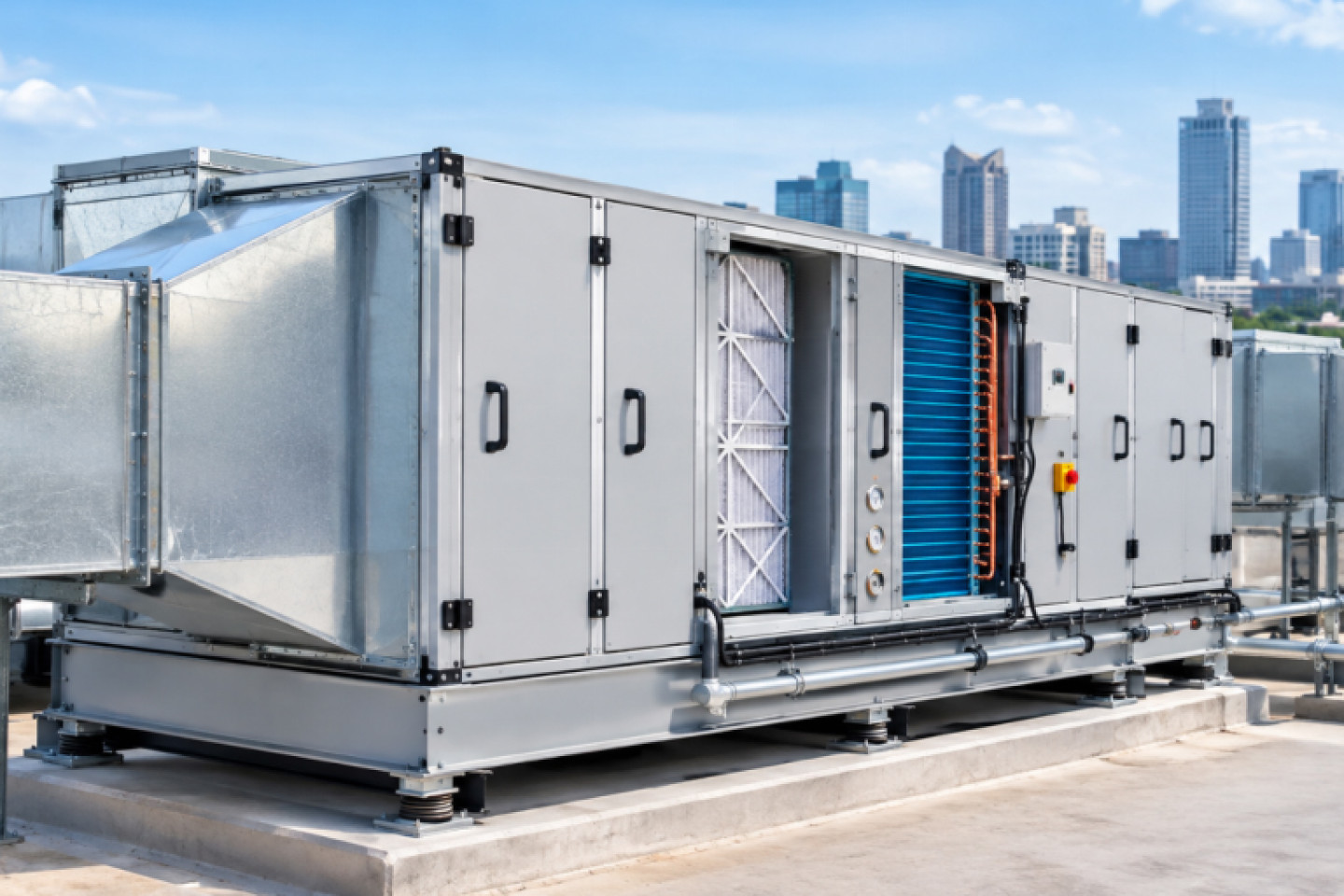
Large facilities - offices, hospitals, hotels, shopping centres, industrial sites — rarely have one air quality problem. They have several, spread across different zones, each with its own temperature, humidity, and ventilation needs. An Air Handling Unit (AHU) in Port Harcourt is built to manage exactly that kind of complexity.

At Pygar Group, we assess the cooling and ventilation needs of each commercial facility and recommend solutions matched to the building's size, operating pattern, and use.

What Is an Air Handling Unit?

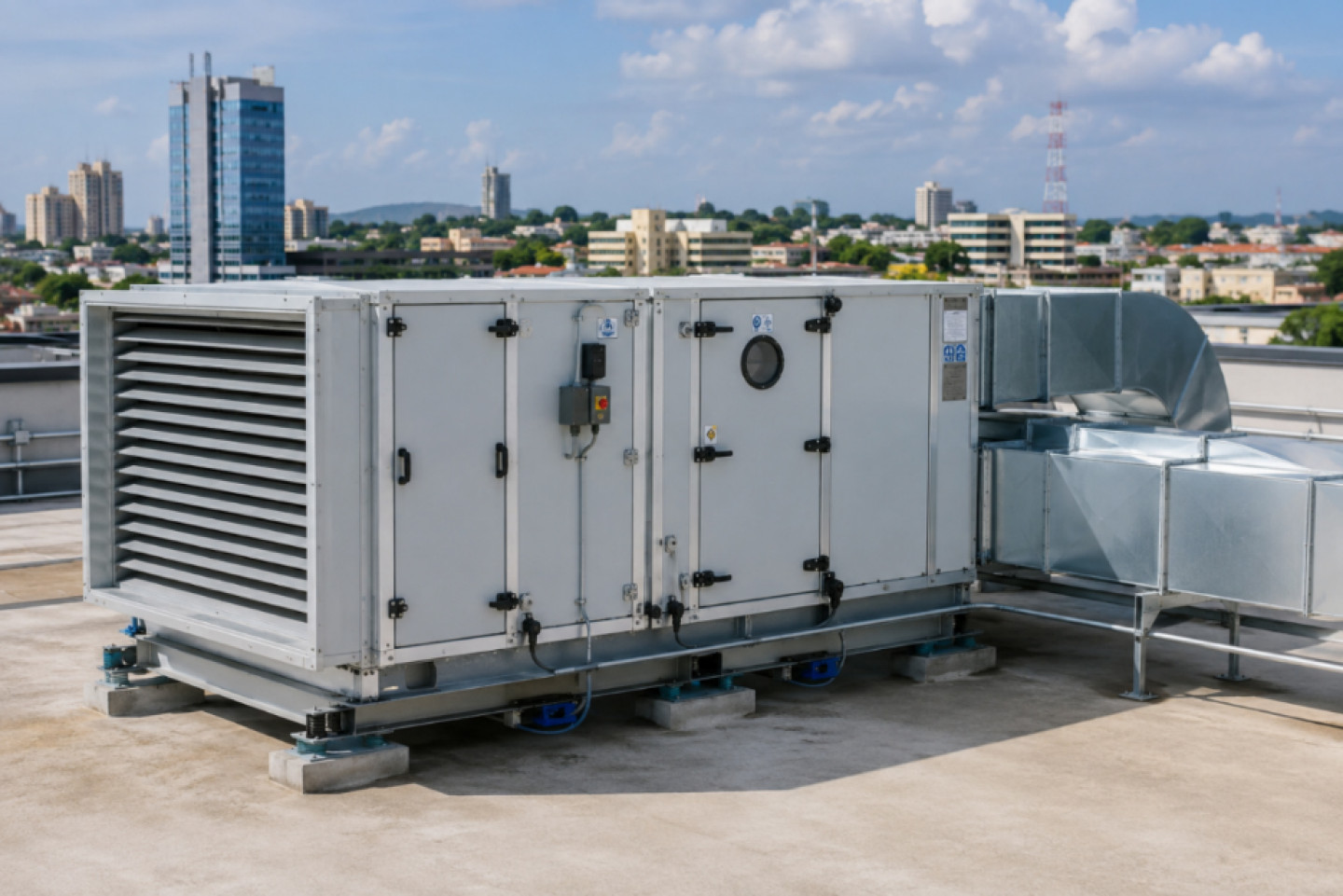
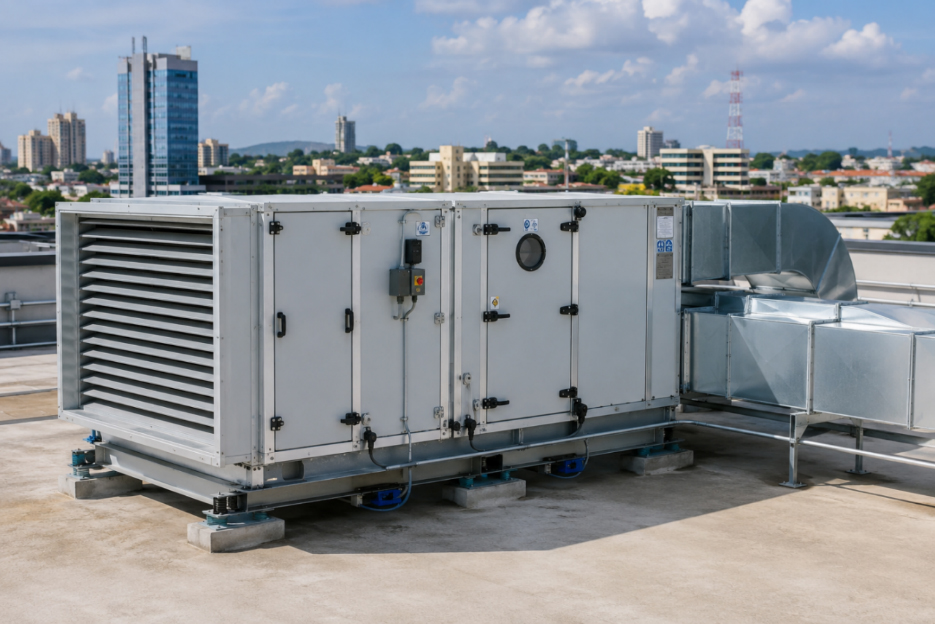
An air handling unit, or AHU, is a mechanical system that conditions and moves air throughout a building. Depending on the application, it can filter, cool, heat, dehumidify, and distribute air through a network of ducts.

A typical AHU includes some combination of the following:

  • Air filters to remove dust and airborne particles
  • Cooling coils to lower air temperature
  • Fans to circulate conditioned air through the building
  • Dampers to control airflow
  • Heating or reheating components
  • Humidity control
  • Fresh-air and return-air sections

Selecting the right AHU for a commercial facility matters because the system has to handle varying occupancy and shifting demand inside an enclosed space, not a fixed load.

Why Commercial Buildings Need AHU Systems

Buildings with multiple floors, rooms, or operational zones are difficult to condition evenly with standalone units. An AHU, centrally located and properly ducted, manages that complexity from one point instead of many, which tends to mean fewer inconsistencies in how a building actually performs day to day.

That centralization pays off in a few concrete ways. Indoor air quality improves when filters, controlled fresh-air intake, and properly designed ventilation work together to reduce airborne pollutants. Temperature control gets more consistent, since a well-designed ducted system limits the overshoot that standalone units are prone to. Ventilation itself is more reliable — active air movement and a steady fresh-air supply are non-negotiable in any occupied commercial space, and an AHU is built to deliver both.

Humidity management is worth calling out on its own, particularly in Port Harcourt's climate. Uncontrolled humidity affects comfort, but it also affects materials and equipment inside the building; a correctly selected system keeps humidity within a range that protects both.

Maintenance is simpler, too, in the sense that it's centralized rather than eliminated. One system means filters, coils, belts, fans, and controls can be inspected and serviced from a single point, which makes it easier to catch a failing component before it becomes a bigger problem.

Considerations When Selecting an AHU for a Commercial Space

The unit itself is only part of the decision. Building-specific factors determine what actually fits:

  • Size and configuration of the building
  • Capacity and density of occupants
  • Required fresh air volume
  • Cooling load
  • Required humidity level
  • Operating hours
  • Space needed for filtration
  • Size and configuration of the plant room
  • Ductwork design
  • Estimated energy consumption
  • Room for future growth

A proper HVAC design and installation process makes sure the AHU is sized correctly and integrates with the building's other mechanical services, rather than working around them.

Where AHUs Are Used

AHUs show up across a wide range of commercial buildings, including:

  • Corporate offices
  • Hotels and other hospitality venues
  • Hospitals and health facilities
  • Retail and commercial buildings
  • Schools and universities
  • Industrial and manufacturing facilities
  • Warehouses and other large commercial spaces

In Port Harcourt's humid coastal conditions, equipment selection and upkeep carry extra weight. Good filtration, proper drainage, well-maintained coils, and sound ventilation design are what keep performance from slipping over time.

Keeping an AHU Performing

Even a well-designed system needs upkeep. A poorly maintained AHU uses more energy, moves less air, and leaves building occupants less comfortable - usually well before it fails outright.

A reasonable maintenance routine covers filter replacement, coil cleaning, checks on fans and drive belts, water leakage inspection, electrical system checks, and testing of controls and dampers. Unusual noise, weak airflow, water leaks, or a jump in energy costs are all early signs that a system needs attention before something breaks.

How Pygar Group Can Help

We design AHU solutions around the practical requirements of each facility, tailoring the system to how the building actually operates rather than applying a standard template. Whether you're planning a new installation or replacing an aging system, we can help determine what your project needs and size it accordingly, flexible enough to integrate with new or existing infrastructure.

For businesses in Port Harcourt, a correctly designed AHU delivers reliable comfort and air quality control, but only when sizing, installation, commissioning, and maintenance are handled to match the building's specific requirements. Visit Pygar Group to learn more about our HVAC services, or place your order with us to get started on your AHU project.

Frequently Asked Questions

What does an AHU do in a commercial setting?

It conditions and distributes air, filtering, cooling, supplying, circulating, and dehumidifying as needed through the building's ductwork.

Is an AHU right for a large office?

Yes, AHUs suit buildings where centralized air circulation and ventilation are needed across multiple connected or large occupied zones.

How often is AHU maintenance needed?

That depends on usage, environmental conditions, and manufacturer recommendations. Filters and other key components should be checked on a regular schedule regardless.

Can AHUs improve indoor air quality?

Yes, when the system is well designed and properly maintained - good filtration, a steady fresh-air supply, and consistent air circulation all contribute to that.

Rooftop Package in Abuja

Optimum Cooling for Abuja's Commercial Buildings with Rooftop Package Units

Nigeria's heat puts real pressure on commercial buildings, and the air conditioning system a business relies on often decides how well that space actually functions. Offices, retail stores, hotels, warehouses - all of them need cooling that holds up through long hours of use without driving operating costs out of control.

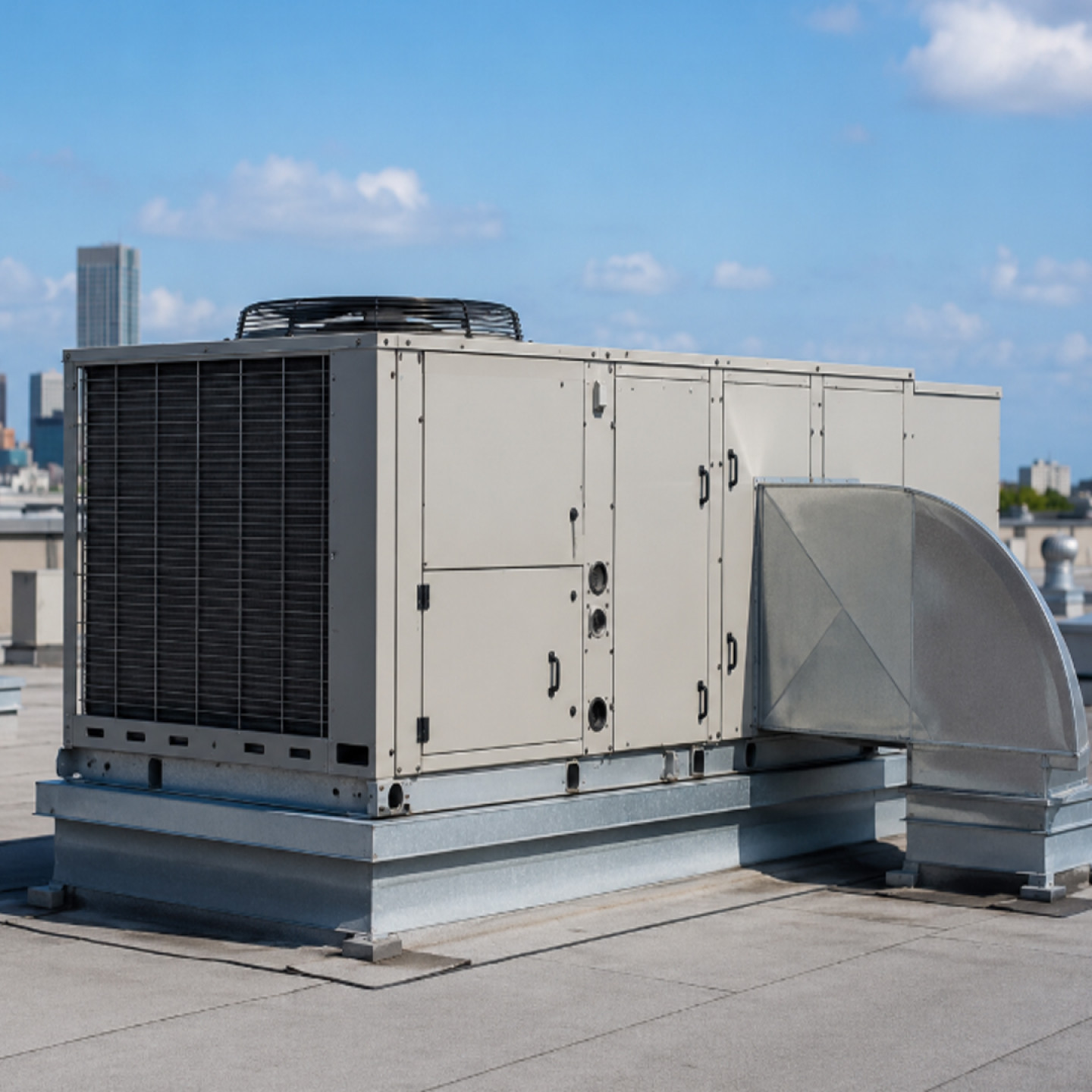
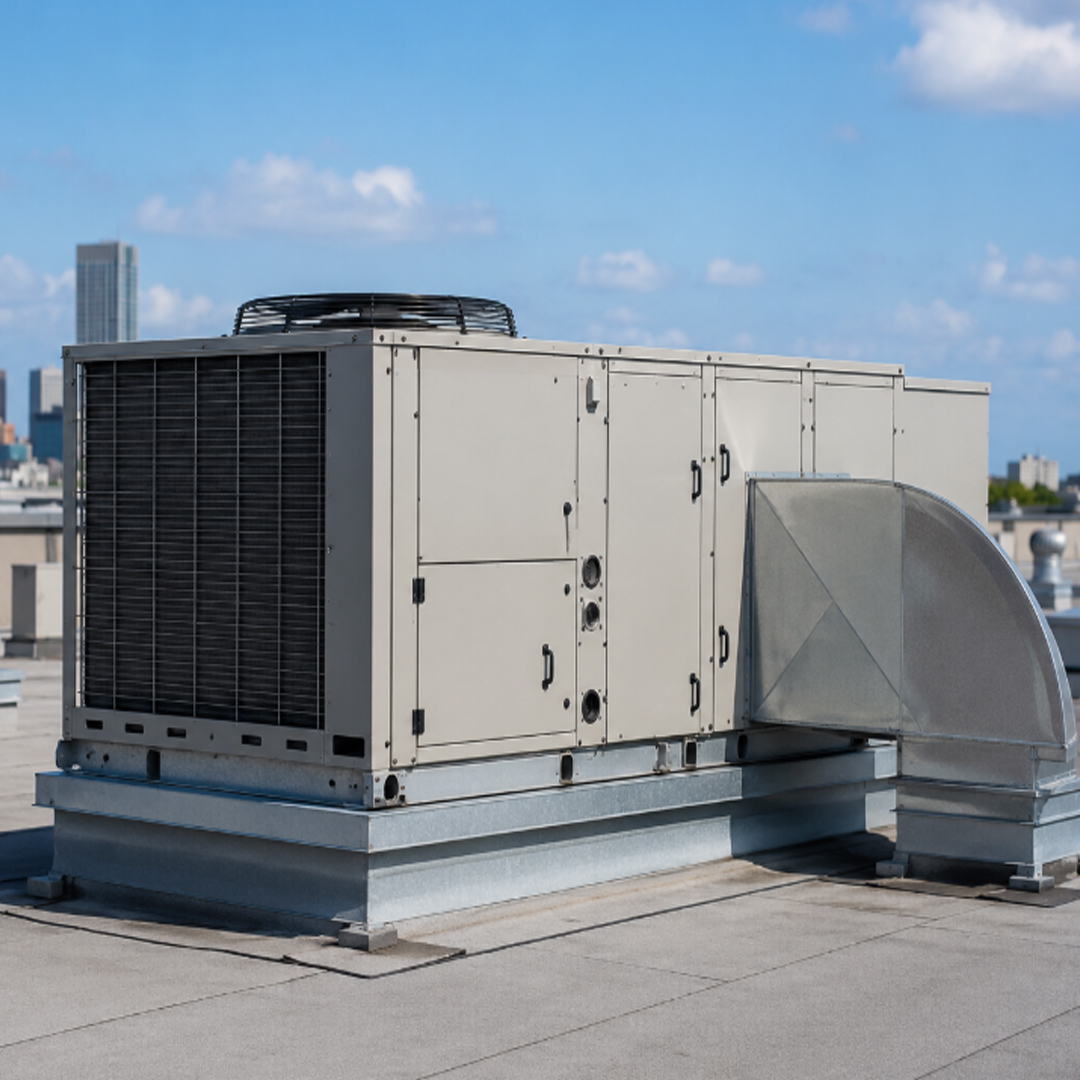
For many commercial properties, a rooftop package unit is the most practical answer. A Rooftop Package in Abuja houses the major air conditioning components in a single outdoor unit, which suits businesses that need to protect indoor floor space, keep maintenance access simple, and cool large areas efficiently.

At Pygar Group, we start by understanding what a building actually needs before recommending equipment. Design, layout, and how a space gets used all shape which cooling solution makes sense for a given business.

What Is a Rooftop Package Unit?

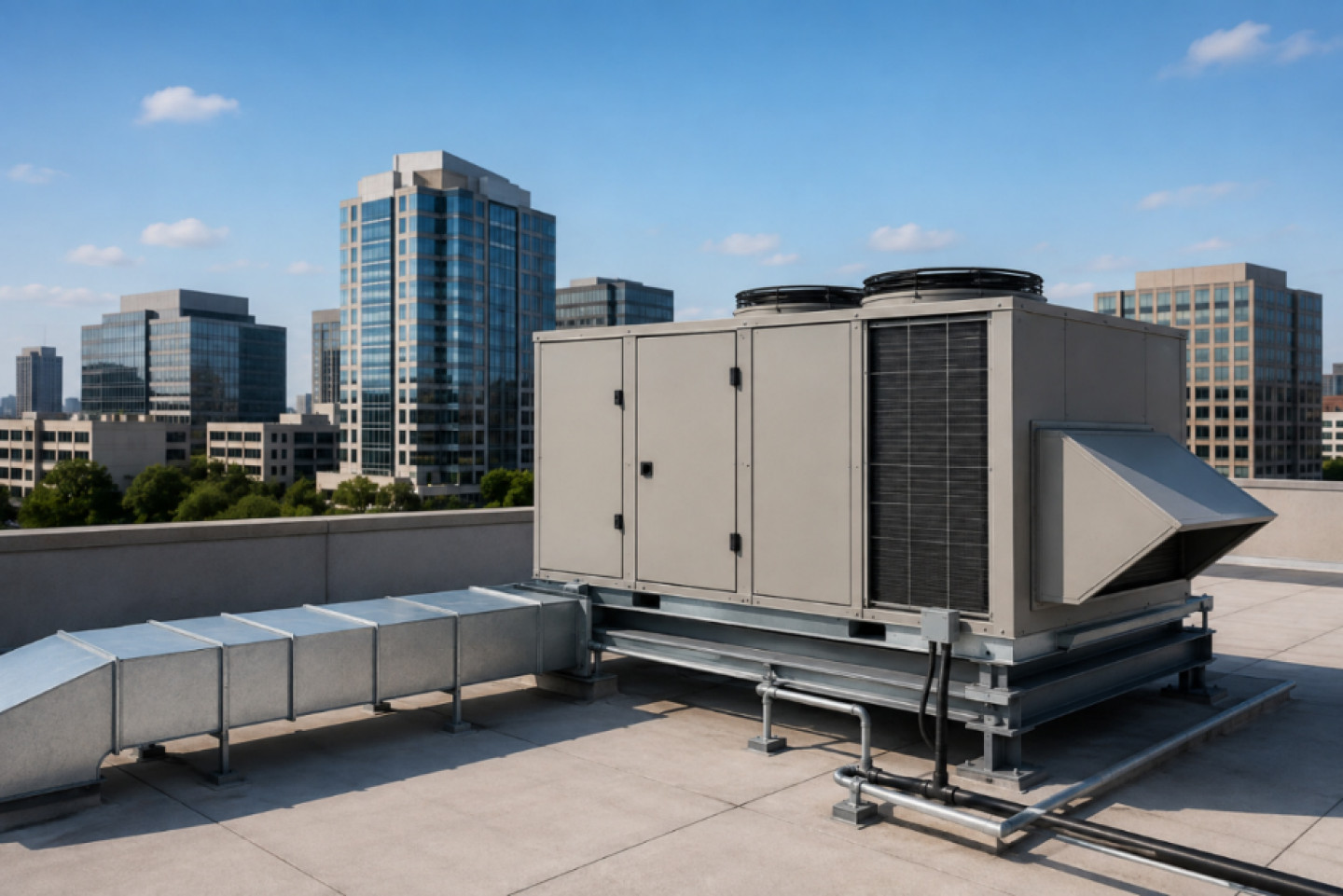
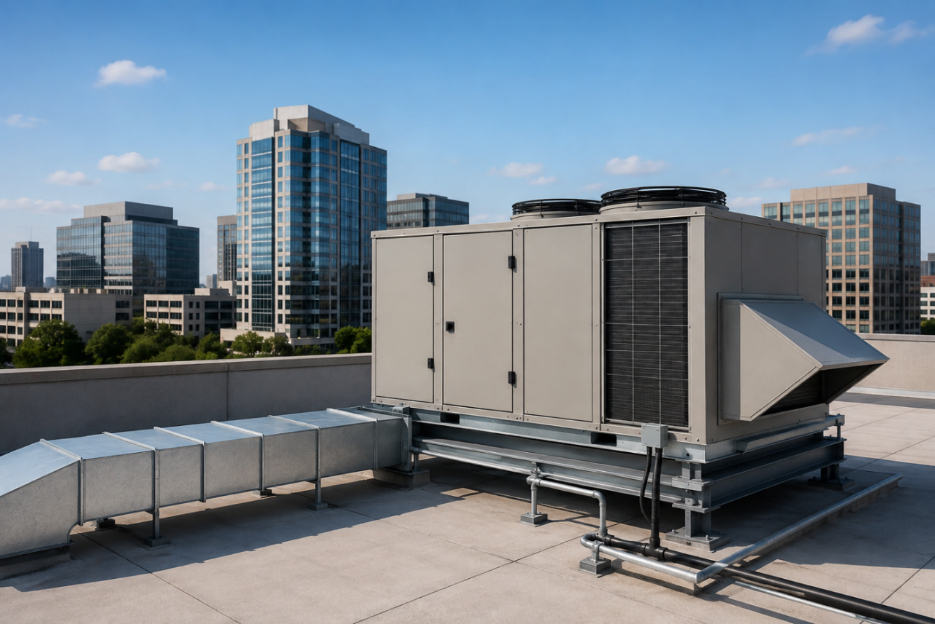
A rooftop package unit is a self-contained HVAC system installed on a building's roof. Unlike split systems, which spread components across different locations, a package unit combines the compressor, condenser, evaporator, and air handler into one machine.

Conditioned air travels from this rooftop unit into the building through ductwork, cooling a large area from a single source, with nearly all the equipment sitting outside where it doesn't compete for indoor space.

Why Rooftop Package Units Suit Commercial Buildings

The most immediate benefit is floor space. Indoor square footage is meant for staff, customers, and inventory, not compressors and air handlers, and keeping that equipment on the roof entirely is what makes rooftop units a natural fit for offices, shopping centers, and restaurants that can't spare the room for bulky hardware.

Centralized cooling matters just as much. One correctly sized package unit, tied into a well-designed duct run, can bring an entire building to a consistent temperature from a single point - a cleaner setup than running several standalone units room by room, especially in open-plan offices or buildings with many connected spaces.

Maintenance gets simpler too, though not effortless. Because the compressor, coils, fans, and refrigerant components all live in one place, a technician doesn't have to chase parts of the system across a building; filters, wiring, and coils are all reachable from the same rooftop access point. Catching a worn part there early is a lot cheaper than dealing with a breakdown later.

Noise is the other consideration. Nobody wants a compressor running next to a desk, a hotel bed, or an exam room, and putting that equipment on the roof handles it without added soundproofing.

There's a footprint benefit too, easy to overlook until you're looking at the building from outside: with the main hardware out of sight, the exterior and grounds stay cleaner, and there's more flexibility for whatever else needs that ground-level space.

Pair a rooftop unit with modern HVAC controls and zoning, and a business can scale cooling to actual occupancy instead of running everything at full output around the clock. That's usually where a properly sized system starts paying for itself in lower energy costs.

What to Consider Before Installation

Choosing the right rooftop package unit goes beyond team size or square footage. Several factors shape the best fit for a given building:

  • Cooling load for the space
  • Building design and insulation
  • Expected occupancy
  • Sun exposure and heat gain
  • Ductwork layout
  • Electrical capacity
  • Roof structure and condition
  • Ongoing maintenance needs
  • How the building operates day to day

Sizing matters more than anything else on that list. A unit that's too small struggles during peak hours; one that's too large cycles on and off more than it should, which drives up energy costs and wears down components faster. If you're planning a new installation or weighing an upgrade, get these factors assessed before committing to a unit.

Why Professional Installation Matters

A rooftop package system only performs as well as its installation. Undersized ductwork, inadequate electrical work, or poor placement on the roof will raise operating costs and shorten the system's working life, no matter how capable the unit itself is on paper.

At Pygar Group, professional installation means planning around the specific challenges each building presents, so the equipment and the space work together instead of against each other. You can find more on our approach and services on our website.

Choosing the Right Rooftop Package Unit for Your Building

Rooftop package units remain a common choice for commercial HVAC projects because of what they offer together: centralized cooling, efficient use of indoor space, straightforward access for installation and servicing, and cost savings over the life of the system. For businesses in Abuja planning a new HVAC installation, they're worth serious consideration.

The right unit for your building depends on cooling load, construction, available roof space, and how the building actually operates. Contact us to discuss your HVAC needs and get a recommendation suited to your building.

Frequently Asked Questions

What are rooftop package units used for?

Central HVAC service for large and midsize commercial buildings - the unit sits on the roof and delivers conditioned air to indoor spaces through ductwork.

Can I use a rooftop unit for my office?

Yes. The main equipment stays outside occupied space, and ductwork carries the cooling wherever it's needed, which works for most office layouts and sizes.

How much maintenance should I plan for?

Regular upkeep is non-negotiable for reliable operation. That means cleaning filters and coils, checking and replacing fans as needed, and inspecting the electrical components on a set schedule rather than waiting for something to fail.

How do I choose the right rooftop package unit?

It comes down to your building's size, occupancy, insulation, heat gain, ductwork, operating hours, and cooling load - have an HVAC professional assess the building before you settle on a system.

images-4

Air Cooled Chillers in Nigeria: Benefits, Applications & Buying Guide

Any business relies on a functioning system to handle optimum production. Cooling systems play a vital role in protecting inventory from damage and enhancing worker comfort and facility performance. High temperatures can dull productivity and affect machine performance. For these reasons, selectivity with the system is prudent.

Pygar Group prioritizes selecting the most dependable cooling solutions for optimum business operation. In this booklet, we outline the features, advantages, and typical applications of Air Cooled Chillers, and provide insights into the reasons behind their broad commercial and industrial usage.

Please visit our Air Cooled Chillers in Nigeria page or our homepage for additional services and solutions.

What are Air Cooled Chillers?

Air Cooled Chillers are units that use ambient air to cool condenser coils and to eliminate the need for a cooling tower in water-cooled systems. These units are simple to install and maintain, which is why they are a preferred choice by users such as office workers, factory staff, hospital staff, hotel staff, school staff, etc. system in Lagos, where most facilities are highly dependent on reliable cooling with simple water management systems.

Key Features of Air Cooled Chillers

A focus on innovative technology has allowed the design of chillers that use less energy while delivering reliable cooling. These chillers are able to do all this while featuring the following elements of design:

  • Compact design with low impact on space
  • Easy outdoor installation
  • Contra rotary compressors for enhanced energetic efficiency
  • Reduced need for maintenance
  • Tight control of temperature
  • Strong construction that is resistant to corrosion
  • Advanced control systems for monitoring and diagnostics
  • Flexibility in system capacity for a variety of applications

Air Cooled Chiller Systems Nigeria integrates all these elements into a design that answers the requirements of businesses for reliable cooling with zero or minimal infrastructure disruption.

Benefits of Air Cooled Chillers

The high costs of running a business are met to a significant degree, by the operating costs of cooling equipment. Air cooled chiller systems offer the following benefits to a business:

Saving Energy

Consistent cooling is being engineered into systems in a way that uses less energy to run them.

Fast and Simple Installation

In the absence of cooling towers and complex piping of water, the difficulty of system installations is reduced.

Minimal Maintenance

Air cooled systems are simpler than water cooled systems, resulting in fewer components to maintain and less servicing costs.

Precise Cooling

Chillers provide reliable cooling for extended periods and are thus suitable for strong climates.

Satisfactory volume

The capacity ranges mean businesses are not forced to overspend on systems.

Diverse Applications

The versatility and dependable performance of air cooled chillers means they are used across multiple industries.

Commercial Buildings

The large complexes of commerce such as malls, offices, hotels, and hospitals use Commercial Air Cooled Chillers Nigeria to maintain a stable in-house environment at comfortable levels.

Manufacturing Facilities

Stable operations within manufacturing facilities require process temperatures to be controlled at the manufacturing equipment. Industrial Air Cooled Chillers Nigeria provide an efficient solution.

Food Processing

Cooling systems that support product quality, safety and production as well as the safe storage of food, all help in the food processing industry.

Pharmaceutical Industry

Products that require a controlled temperature throughout the entirety of the manufacturing process and the storage of the product also need chromatography refrigeration for specialty materials.

Data Centers

Due to equipment working at full capacity, data centers have a risk of health emergency equipment failure due to inadequate heat buildup during operation.

How To Choose The Right Air Cooled Chiller

Multiple factors play an important role in choosing the right Air Cooled Chiller.

Cooling Capacity

The total potential load of the building or process must be evaluated to choose the best system.

Energy Consumption

To lower the operating cost in the long term, equipment should have components that improve system efficiency.

Installation Space

There should be sufficient outdoor space to ensure proper airflow and adequate spacing around equipment.

Future Expansion

Think about if the extra cooling cost is worth it to ensure future production.

Maintenance Support

A supplier that will provide a complete system, including installation and service for maintenance and technical support, will help ensure system operations are running at a high standard.

Why Businesses Choose Pygar Group

Every facility has unique cooling challenges and requirements, thus at Pygar Group we dedicate our services and pay close attention to the recommendations we give our clients to ensure they receive systems that are reliable and give excellent long term value.

Our Services

System Assessment for Professional Purposes

  • Supply
  • Installation
  • Technical Support
  • System Upgrade as needed

Maintenance

We offer practical solutions for commercial and industrial cooling in Lagos and all of Nigeria.

For Better Performance

Maintenance improves equipment efficiency and lifespan.

Some recommended practices include:

  • Clean condenser coils.
  • Inspect refrigerant.
  • Replace electrical components.
  • Inspect airflow of the outdoor units.
  • Have preventative maintenance performed by a professional.
  • Watch for abnormal operating conditions.
  • Maintenance reduces unplanned downtime.

Conclusion

Air cooled chillers are a great option for industrial and commercial building cooling. First, they're low maintenance. Second, they're easy to install. Third, they have a high reliability rating. Air cooled chillers are a great choice for cooling any building type, from a hospital to a hotel to a warehouse. If your Lagos based business needs a cooling solution, you can have a dependable solution installed by an experienced company to help you cool your business for many years to come.

Why Choose a Pygar Group for Your Business Needs?

We provide a complete turnkey solution, from selecting your air cooled chiller to having it installed, and we provide a check and maintenance program. Learn more about our services by reaching out to us to speak to one of our qualified team members about your project and goals for your business to assess how our cooling solutions can benefit you in Nigeria.

FAQs

  1. What is an air cooled chiller?

An air cooled chiller is a device for cooling a building that uses the surrounding air to draw away heat, as opposed to water, making them relatively simple to install and maintain.

  1. Where are air cooled chillers usually found?

They are found in buildings such as offices, hospitals, factories, hotels, shopping malls, warehouses, pharmaceutical plants, and even data centers.

  1. Are air cooled chillers energy efficient?

They are, as modern air cooled chillers use energy efficient compressors, and their control systems help minimize power consumption.

  1. Why would you choose Pygar Group for air cooled chillers?

Pygar Group offers high quality air cooled chillers, as well as certified professionals who do the installation, along with preventative maintenance, and ongoing support to help the business reach its goal of stable cooling performance.

images-3

Top Advantages of Rooftop Package HVAC Systems in Lagos

A business’ investment in a reliable HVAC system is an investment guaranteed to pay off. Comfortable conditions in a commercial space protect your employees, your customers, and your equipment. An HVAC system also optimizes your energy costs and your purchase decisions are rewarded with more savings. The use of Rooftop Package systems in Lagos has exploded. The reason is obvious. These systems integrate multiple components of an HVAC system into a single, space-saving unit that can be located on the roof.

Our team at Pygar Group has the experience to help's our clients select the most appropriate HVAC system for their commercial spaces. We are going to share the advantages of a Rooftop Package HVAC system and explain why they are a great option for commercial properties.

What Is a Rooftop Package HVAC System?

As the name suggests, a Rooftop Package HVAC System is an HVAC system that is utilized to heat, cool and ventilate a commercial space and is installed on the roof of a commercial space. Unlike a split system that is comprised of multiple components, a rooftop package system houses all of the associated equipment in a single, integrated unit.

This system is ideal for:

  • Office buildings
  • Shopping Centers
  • Hotels
  • Educational Institutions
  • Healthcare Facilities
  • Warehouses

Manufacturing Facilities

A Commercial Rooftop Package Unit in Lagos is a popular option for many businesses because it provides reliable cooling without negatively affecting space constraints.

  1. Saves Indoor Space

Indoor commercial space is at a premium. Fortunately, a complete HVAC system on the roof means that less space is dedicated to housing mechanical systems, and more is available for operations and customer service.

Ultimately, commercial buildings benefit most from rooftop package units.

  1. Faster Installation and Completion

Indoor HVAC systems require multiple indoor and outdoor components. A rooftop package removes these distribution challenges and speeds up the installation time.

Planning and installing the system professionally means that potential delays and operational issues are eliminated.

  1. Lower Energy Consumption

Innovations in rooftop package applications mean that the energy burden to a business for temperature control is lessened. Features such as:

  • Improved compressors
  • Advanced heat exchangers
  • Excellent flow systems
  • Programmable systems

are all available in newer systems.

Lower energy use also means lower costs and savings.

  1. Less Maintenance

The secret to long life for any HVAC system is a regimen of routine maintenance. Since the components are located outside the building, and in one main unit, the maintenance time is greatly reduced.

The benefits include:

  • Less disruption to customers/users
  • Faster fault determination
  • Improved reliability
  • Less maintenance time.
  1. Reliable Cooling for Commercial Buildings An idea for optimal cooling in a large commercial setting would be to implement a Rooftop Air Conditioning Unit Lagos.

This solution works for establishments containing:

  • Long, unobstructed office spaces
  • Large stores
  • Big conference rooms
  • Eating establishments
  • Production assembly

The system's cooling ability helps daily business operations and creates a better work environment for both employees and guests.

  1. Better Building Appearance

The HVAC unit placement on the roof of a building also helps create a clean exterior.

Compared to an unorganized system of outdoor units sprayed around the exterior of a building, a rooftop package system hides the units from view, thereby increasing curb appeal for commercial property and helping to minimize obstructions by service and entrance doors.

  1. Flexible for Different Business Needs

The rooftop packaging system is versatile for the multiple and varying needs of every commercial space, and can be scaled in size to meet different needs, such as:

  • Overall size obstruction
  • Number of occupants & usage
  • Hours in use
  • Heat load
  • Future expansions

Selecting a well-functioning system that meets the current and future needs of a business is best done HVAC professionals.

Making a Sound Decision About a Rooftop Package System

There are several considerations to make when choosing an HVAC solution. They include:

  • energy efficiency
  • building design
  • vents
  • maintenance
  • installation
  • overhead costs

At Pygar Group, we take time to examine our projects so that we are not leaving value on the table for our clients when it comes to providing options that will ensure their buildings remain efficient after installation. Take some time to look at our HVAC service options on our homepage below.

The Right System Installation is Crucial

Even the highest quality system can prove to be a terrible decision when it isn't installed correctly. A professional installation will result in:

  • correct system size
  • optimal airflow
  • security of the system on the roof
  • secure electrical connections

Furthermore, scheduled inspections and PMs will ensure the equipment performs its intended function as planned for a longer period of time.

Conclusion

Rooftop package HVAC systems have many advantages when it comes to ease of maintenance and energy efficiency when used in commercial applications. This is especially true with an HVAC system designed to incorporate rooftop package units. Systems designed for rooftop applications ensure efficient operations and support commercial businesses' core objectives.

Peter Group for Your HVAC Solutions

Contact us at the Pygar Group for professional advice and the best solution for HVAC systems when you need a unit designed with rooftop package systems for your business. Our team provides professional installation and support after the sale to enhance climate control within the building. Contact us to discuss your project and learn about the roof top HVAC system options available on the market that are aligned with your commercial needs.

FAQs

  1. What is a rooftop package HVAC system?

A rooftop package HVAC system is a heating, ventilation, and air conditioning system that is an all-in-one or complete unit that is installed on the roof of a building. Space in the building is saved as the system consolidates the major components in a unit.

  1. What are the benefits of a rooftop package HVAC system?

Rooftop package HVAC systems are a great system for commercial buildings as they are efficient with space, provide superior cooling for a variety of commercial facilities, are energy efficient, and require minimal maintenance.

  1. How often should a rooftop package HVAC system be serviced?

A rooftop package HVAC system should be serviced at least twice a year as regular preventive maintenance helps improve the systems average energy efficiency and can reduce the risk of the system breaking down.

  1. How can Pygar Group help with rooftop package HVAC systems?

We pride ourselves on offering professional services inclusive of consultation, system design, installation, and maintenance for rooftop package HVAC systems. Our team's goal is to design a system that helps a business reach its operational goals based on the size of the building, and the businesses' cooling demands.

images-2

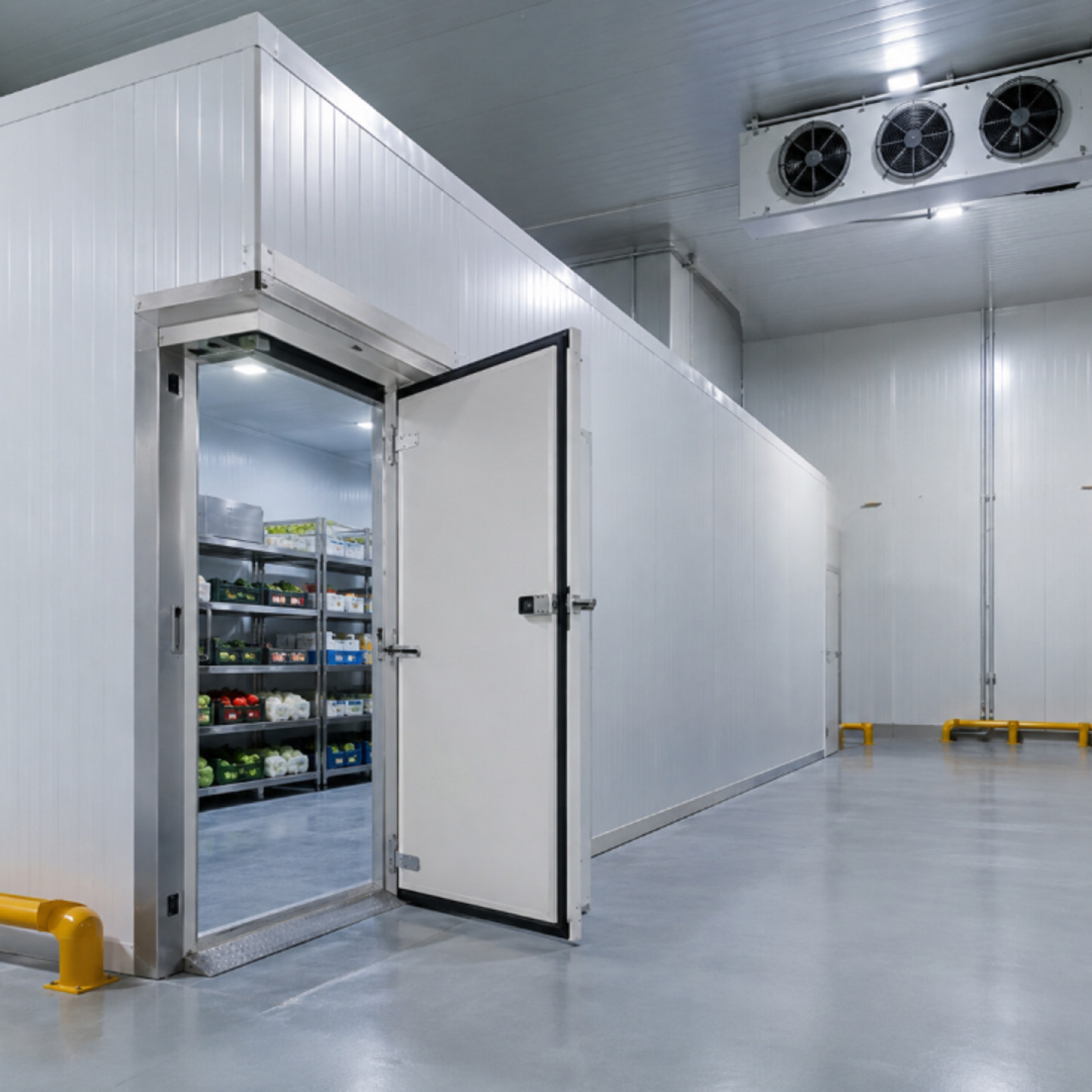
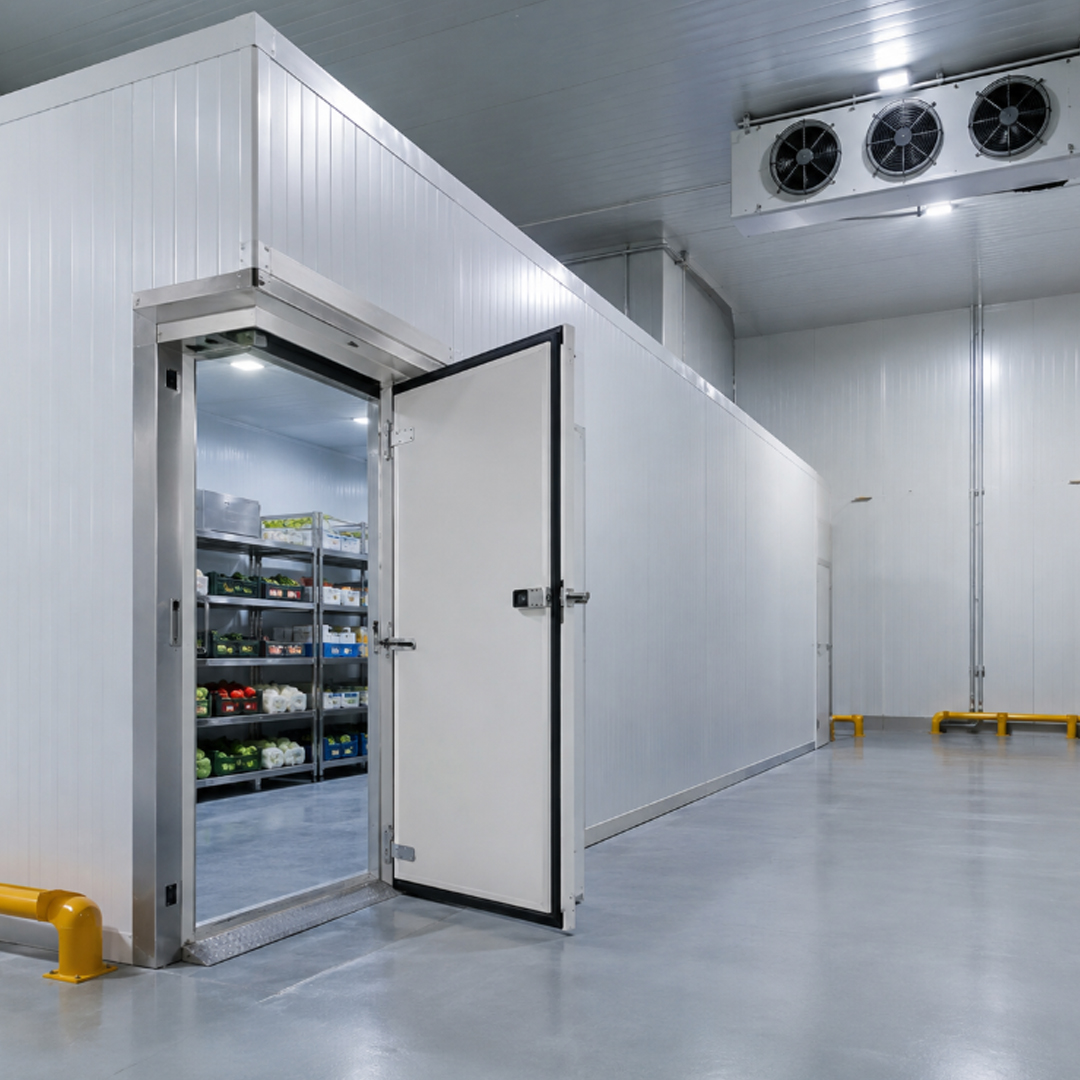
Selecting The Right Cold Room Supplier For Your Business In Nigeria

Cold rooms are integral for providing storage for all temperature-sensitive products. Reliable cold rooms help businesses in food processing, supermarkets, restaurants, hotels, pharmacies and agricultural stores, to name but a few, in reducing waste by preserving the quality of their products. It is essential to select a cold room supplier who offers you the best solution keyed to your business needs, rather than just offering you the best price.

If you are considering purchasing a cold room, this information will help you understand what to look for when making a decision. This information will also help you understand what to look for when selecting a supplier who will help you grow your business in Lagos and Nigeria.

Selling a cold room is a significant investment. Clunky installation, cheap materials, or poor sizing lead to high energy costs, more repairs and loss of product.

The best suppliers go the extra mile and understand your business. A good supplier sells, recommends, and installs cold rooms and provides you with after sales support.

At Pygar Group, we believe every business deserves reliable cold room storage.

Identify How Your Business Will Benefit the Most

Before comparing suppliers, you should understand how your business will benefit the most.

Things to think about during this process:

  • Product type
  • Storage temperature
  • Storage capacity
  • Space for installation
  • Business future prospects

You may have different storage needs in the future.

Industries have their own specific refrigeration requirements. Choosing the right system saves on costly upgrades and inconvenience down the line.

Industry Experience

Industry experience is the most important element when it comes to supplier selection.

A supplier with industry experience understands the needs of multiple industries. They don't just sell a "one size fits all" solution.

Don't be afraid to ask things like:

  • How long have you been in this business?
  • What industries are your clients?
  • Do you have references?
  • Can you do the installation and maintenance?

An experienced supplier can help identify issues and risks.

Inspect Product Quality and System Design

The standard of construction for cold rooms can vary. Insulation, refrigeration, doors and controls directly affect the performance and functionality of the cold room.

When selecting a supplier, look for:

  • Using thick insulation
  • Refrigeration equipment that works
  • Controls that maintain required temperatures
  • Use of energy efficient components
  • Safety features

The design of a cold room can improve performance by using the latest design and system techniques.

Think about Installation and Support

The exact equipment alone won't solve all problems. The quality of service is equally as important to the value of the equipment.

A good supplier will:

  • Assess your site
  • Determine the right size for the job
  • Perform the installation according to the right standards
  • Test the functioning of the system before handover

Businesses in Lagos especially appreciate responsive technical support as loss of refrigeration support can hamper daily operations.

Compare Energy Efficiency

High energy costs are a reality of operating refrigeration systems.

Savings on monthly utility costs can be realized with an energy-efficient cold room while satisfying the need for consistent cooling.

When speaking with suppliers, the energy efficiency of the refrigeration unit, the quality of insulation, the presence of intelligent temperature controls, and the availability of preventative maintenance plans should be considered.

While the cost of an efficient system may be more, savings will be realized more quickly.

Consider Existing Refrigeration Options

Varieties of cold rooms are required to meet cold storage needs of a business.

An example of this may include small food businesses requiring small storage rooms, while large warehouses may require a large customized cold storage option.

Precise temperature control is a need of pharmaceuticals.

A cold storage option to keep agricultural produce is also required.

Nigeria Commercial Cold Rooms can be tailored to business size and operational needs.

Constant operation of Industrial Cold Rooms for manufacturing plants, warehouses and large-scale processing facilities requires the cold room to maintain consistent low temperatures.

Evaluate After-Sales Service

A good supplier will provide after-sales service.

This service will include planned inspections, unplanned breakdown and repair service, provision of spare parts, and inspections on suitability and performance of the system.

Constant service will help to have a longer life of the equipment and avoid unexpected breakdowns.

Go for a Supplier Who Knows the Local Conditions.

The unique challenges of the Nigerian weather and power supply make dealing with refrigeration unique in Nigeria.

A supplier who has previously worked in Lagos will be able to recommend reliable systems which will continue to function optimally throughout the year.

Choosing a provider who operates in an area similar to your own will yield the most successful outcomes.

Work with a Trusted Partner

You shouldn't take price alone into consideration when looking for a cold room supplier in Nigeria. Your investment's success is determined by the supplier's experience, products, and technology, as well installation and after sales services.

For more information about our refrigeration systems, please check out our Commercial Refrigeration page. You may also check our Pygar Group website to learn about our HVAC and refrigeration services throughout Lagos and other areas of Nigeria.

Contact Pygar Group for Reliable Cold Room Solutions

For a cold room supplier you can depend on, look no further than Pygar Group. Our company provides expertise to design and install a cold room to fit your business needs. Contact us to find the best solution for your business.

Frequently Asked Questions

  1. How do I choose the right cold room supplier for my business in Nigeria?

Choose a supplier who has relevant industry experience, provides quality cold rooms, and has the ability to install and provide after service support. They must also have a good understanding of your business and be able to propose a solution to your storage needs.

  1. What industries need commercial cold room solutions?

Commercial cold rooms find application in supermarkets, restaurants, hotels, food processing plants, pharmaceuticals, hospitals, and agricultural firms who need consistent, safe storage and controlled temperatures.

  1. How long does a cold room installation take?

Installation times vary depending on the size, design, and complexity of the cold room. Standard cold rooms can take a few days to install while larger, custom designed cold rooms can take several weeks due to the time needed to complete the installation and testing.

  1. Why is regular cold room maintenance important?

Regular maintenance ensures an efficient running system, reduces the chances of breakdowns, increases the life of the equipment, and improves energy use and assures that stored items retain correct temperatures.

images-p

Choosing The Best Air Conditioning System In Nigeria

There is a need for special attention to details while purchasing an Air Conditioning System in the country that has a pleasant temperature all year round. Instead of viewing Air Conditioning Systems as a luxury, think of them as a way to improve your employees’ productivity and your clients’ health. There is more to selecting air conditioning systems than the price and brand.

Pygar Group assists clients in achieving their objectives by selecting systems that cater to their particular needs, the energy balance, and the space considerations of their buildings. The considerations outlined in this article should be taken into account before making an air conditioning system purchase.

Define Your Cooling Requirements

Prior to purchasing an air conditioning system, evaluate the cooling requirements for your building. Based on the size, activity, and occupancy of the space, various solutions may be required.

When evaluating cooling requirements, consider the following:

  • Effect of building size.
  • Total number of occupants.
  • Equipment and lighting heat production.
  • Building insulation and ventilation
  • Opening and closing hours of the building

For many commercial buildings in Lagos, selecting the right size helps improve comfort while avoiding excessive expenses.

Select The Right Air Conditioning System

The world of air conditioning presents a variety of options for both residential and commercial applications. The design of the building will ultimately dictate the type of system best suited for it, but first we have to assess the cooling needs.

Split Air Conditioning Systems

These are the systems best suited for residential use as well as small offices and shops. They are designed to provide optimal cooling to every space in a building.

VRF Systems

VRF stands for Variable Refrigerant Flow Systems. They specialize in larger buildings that offer separate control over room temperatures while conserving energy.

Packaged and Central Air Conditioning Systems

These systems provide large areas of cooling for shopping malls, hospitals, hotels, and office complexes.

For new installations or upgrades, our Air Conditioning Systems in Nigeria cover a large spectrum of commercial and industrial applications.

Energy Efficiency

Energy efficiency should always be a primary factor when choosing an air conditioner. System efficiency translates to lower electricity and operating costs and higher savings in the long run.

Consider systems that:

  • Have a high energy efficiency rating
  • Are equipped with inverter technology
  • Have smart controls with continuous temperature sensing, and
  • Are low maintenance

For companies in Lagos, efficient cooling systems lead to lower operational costs each month.

Importance of Installation

Even the best equipment cannot perform optimally if the installation is poor. Air conditioning installation in Nigeria done by professionals will ensure the system performs properly and is safe to use.

A professional will:

  • Properly measure the building for the right volume of equipment
  • Correctly space and install all components
  • Properly test the system
  • Installation done right will also lead to a longer life and less problems.

Repair and Maintenance

A maintenance plan is a good investment and will help avoid breakdowns. The peace of mind after the installation of an air conditioning system will come from the trust in the service provider for future repairs.

Routine maintenance typically consists of:

  • Cleaning filters
  • Determining refrigerant levels
  • Inspecting electrical connections
  • Cleaning the condensers and evaporator coils
  • Testing the overall performance of the system

Scheduled maintenance is imperative for businesses in Lagos since the cooling systems are often used for long hours.

Finding a Dependable Supplier

It helps to work with an established HVAC company to make your life easier. A good supplier will assist you in choosing the right equipment to provide professional installation and continued assistance.

When assessing suppliers you should consider:

  • Experience in the industry
  • A technician team with certified skills
  • Higher quality products
  • After sales support
  • Maintenance services

The Pygar Group prides itself on a close working relationship with our clients. Our team offers practical HVAC solutions that satisfy your operation's needs and expectations with regard to performance. Go to our official site for more information and full HVAC services.

How to Select the Most Appropriate Air Conditioner for Your Property

With regards to selecting an Air Conditioner for a particular Property in Nigeria, many factors will influence your choice beyond the product. The ideal answer to your cooling needs should appreciate the right compromise on cooling performance, efficiency, and ease of maintenance.

Before making your purchase, always assess the available capacity, operational costs, support systems, and the expertise of your partner. A well-considered investment gives you the best chance of lowering operating costs and provides greater comfort.

Contact Pygar Group for Expert HVAC Solutions

Are you looking for the best solution for cooling your property? As the experts in the HVAC industry, the professionals at Pygar Group will assist you from system selection, installation, and ongoing maintenance to ensure your building's comfort and performance needs are met with air conditioning systems that deliver reliability. Give us a call to set up a meeting to discuss your project to achieve efficient and long-term HVAC solutions.

Frequently Asked Questions

  1. What is the best air conditioning system for commercial buildings in Nigeria?

The size and purpose of a building determines the best choice for an air conditioning system. When dealing with large commercial spaces, both VRF systems and central air conditioning systems are efficient choices, providing good control over temperature and operating costs.

  1. How do I select the best air conditioner for my property?

Look for a number of factors like space size, number of persons, operating costs, level of cooling, price, and energy efficiency. Also, consult a professional HVAC company for their expertise.

  1. How frequently should an air conditioning system be serviced?

At least twice a year is the general recommendation. It is tune-up time. Equipment lifespan is extended, breakdowns prevented, and efficiency improved with regular service.

  1. Why do you need a professional for air conditioning system installation?

Most people assume that a system acquisition is the end of the work, but the reverse is true. Efficiency, determination of the right size for the system, and safety during the installation process are assured and costs during the lifecycle of the system reduced by a professional air conditioning system installer.

bg2

7 Reasons to Upgrade Your HVAC System in Lagos This Year

Your HVAC system plays a vital role in maintaining a comfortable and productive indoor environment. Whether you manage an office building, hotel, retail store, hospital, school, or industrial facility, an efficient heating, ventilation, and air conditioning system supports daily operations while helping control energy costs.

However, like any major mechanical equipment, HVAC systems become less efficient over time. Older units often consume more electricity, require frequent repairs, and struggle to maintain consistent indoor temperatures.

If you've been postponing an upgrade, this may be the perfect time to reconsider. Investing in a modern HVAC System in Lagos can improve comfort, reduce operating expenses, and increase the reliability of your building's cooling infrastructure.

Here are seven compelling reasons why businesses across Lagos are upgrading their HVAC systems this year.

1. Lower Energy Costs

Energy prices continue to rise, making efficiency more important than ever. Older HVAC systems often consume significantly more electricity because they operate with outdated technology and worn components.

Modern systems are designed with advanced features such as:

  • Inverter compressors
  • Variable-speed fans
  • Smart thermostats
  • Intelligent energy management controls

These technologies adjust cooling output based on demand, reducing unnecessary energy consumption and lowering monthly utility bills.

For businesses operating large commercial buildings, even a modest improvement in efficiency can result in substantial annual savings.

2. Improved Indoor Comfort

Comfort directly affects employee productivity, customer satisfaction, and overall business performance.

An aging HVAC system may struggle to:

  • Maintain consistent temperatures
  • Control humidity
  • Distribute air evenly
  • Respond quickly to changing cooling demands

Upgrading to a modern HVAC System in Lagos ensures more stable indoor conditions throughout the day.

Improved comfort creates a better experience for employees, customers, hotel guests, patients, and visitors alike.

3. Better Indoor Air Quality

Air quality is becoming increasingly important in commercial and residential buildings.

Modern HVAC systems help improve indoor environments by filtering:

  • Dust
  • Allergens
  • Pollutants
  • Airborne particles
  • Excess moisture

Cleaner indoor air supports healthier workplaces while reducing the buildup of contaminants inside buildings.

This is especially important for:

  • Hospitals
  • Schools
  • Hotels
  • Restaurants
  • Office buildings

4. Reduced Maintenance Costs

As HVAC equipment ages, maintenance becomes more frequent and more expensive.

Common issues include:

  • Compressor failures
  • Refrigerant leaks
  • Electrical faults
  • Fan motor problems
  • Reduced cooling performance

Instead of paying for repeated repairs, upgrading to a new system often proves more cost-effective over the long term.

Modern equipment is built with improved reliability, reducing unexpected downtime and maintenance expenses.

5. Increased Equipment Reliability

Business operations depend on uninterrupted climate control.

Unexpected HVAC failures can result in:

  • Employee discomfort
  • Customer complaints
  • Product damage
  • Business interruptions
  • Lost revenue

New HVAC systems provide greater reliability and are designed to operate efficiently under Lagos' demanding climate conditions.

This is particularly valuable for businesses that rely on continuous cooling, such as hotels, healthcare facilities, supermarkets, and manufacturing plants.

6. Smart Technology and Greater Control

Today's HVAC systems offer much more than simple temperature control.

Many modern solutions include:

  • Remote monitoring
  • Programmable schedules
  • Zone control
  • Mobile app integration
  • Automated diagnostics

These features allow facility managers to monitor system performance, optimize energy use, and identify maintenance issues before they become major problems.

Smart building technology also helps organizations improve operational efficiency.

7. Long-Term Return on Investment

Although upgrading an HVAC system requires an initial investment, the long-term financial benefits often outweigh the upfront cost.

A modern HVAC System in Lagos helps businesses achieve:

  • Lower electricity bills
  • Reduced repair costs
  • Longer equipment lifespan
  • Improved productivity
  • Better customer experiences
  • Increased property value

For many organizations, these combined benefits create an excellent return on investment over the life of the system.

Signs It May Be Time to Upgrade

Not sure whether your HVAC system needs replacing?

Here are some common warning signs:

  • Rising electricity bills
  • Uneven cooling throughout the building
  • Frequent repairs
  • Excessive system noise
  • Poor airflow
  • Difficulty maintaining temperature
  • Equipment more than 10 to 15 years old

If you recognize several of these signs, it may be time to consider an upgrade.

Choosing the Right HVAC Solution

Selecting the right HVAC system depends on several factors, including:

Building Size

Larger facilities often require centralized cooling solutions such as ducted systems, VRF technology, or rooftop package units.

Occupancy

Buildings with high occupancy levels generate more heat and require greater cooling capacity.

Operating Hours

Facilities operating around the clock require systems designed for continuous performance and durability.

Energy Goals

Businesses seeking to reduce operating costs should prioritize energy-efficient systems with smart controls and inverter technology.

An experienced HVAC provider can conduct a detailed assessment to recommend the most suitable solution for your property.

Industries That Benefit from HVAC Upgrades

Modern HVAC systems are valuable across a wide range of industries.

Office Buildings

Improve employee comfort and workplace productivity.

Hotels

Provide guests with consistent, quiet, and reliable climate control.

Retail Stores

Create a comfortable shopping environment that encourages customers to stay longer.

Healthcare Facilities

Maintain controlled temperatures for patient care and sensitive medical equipment.

Manufacturing Plants

Protect machinery while improving working conditions for employees.

Why Professional Installation Matters

Even the most advanced HVAC equipment will underperform if installed incorrectly.

Professional installation ensures:

  • Accurate system sizing
  • Proper airflow design
  • Efficient refrigerant charging
  • Safe electrical connections
  • Maximum equipment lifespan

Working with experienced HVAC professionals helps maximize the value of your investment.

Conclusion

Upgrading your HVAC system is one of the smartest investments you can make for your property. Modern equipment offers better energy efficiency, improved comfort, cleaner indoor air, enhanced reliability, and lower maintenance costs.

Whether you manage an office, hotel, retail outlet, healthcare facility, or industrial building, investing in a modern HVAC System in Lagos helps improve daily operations while delivering long-term financial benefits.

Choosing an experienced HVAC partner ensures your system is professionally designed, correctly installed, and supported with reliable maintenance for years to come.

Call to Action

Is your current HVAC system costing more to run than it should?

Pygar Group provides professional HVAC design, installation, replacement, and maintenance services for offices, hotels, healthcare facilities, industrial plants, retail outlets, and commercial buildings across Nigeria.

Visit https://pygargroup.com today to learn how a modern HVAC solution can improve efficiency, reduce operating costs, and deliver reliable performance for years to come.

onepartner

Air Conditioning Systems in Lagos That Combine Performance, Durability, and Value

Lagos is one of Africa's fastest-growing commercial cities, with businesses operating around the clock in a hot and humid climate. Whether you manage an office, hotel, retail store, hospital, restaurant, or industrial facility, maintaining a comfortable indoor environment is essential for productivity, customer satisfaction, and operational efficiency.

Choosing the right Air Conditioning Systems in Lagos is more than just buying an air conditioner. It involves selecting a solution that delivers reliable cooling, operates efficiently, withstands Nigeria's demanding climate, and provides long-term value.

In this guide, we explore the different types of air conditioning systems available, the factors to consider before making an investment, and why quality HVAC solutions continue to be a smart choice for businesses across Lagos.

Why the Right Air Conditioning System Matters

The weather in Lagos is characterized by high temperatures, humidity, and long periods of heat throughout the year. Without an efficient cooling system, indoor environments can quickly become uncomfortable, affecting employees, customers, equipment, and daily operations.

A professionally designed air conditioning system helps to:

  • Maintain comfortable indoor temperatures
  • Improve indoor air quality
  • Reduce humidity levels
  • Protect electronic equipment
  • Increase employee productivity
  • Enhance customer experience
  • Lower long-term operating costs

Rather than viewing air conditioning as an expense, businesses increasingly see it as an investment that supports efficiency and growth.

Types of Air Conditioning Systems Available

Every building has unique cooling requirements. Selecting the right system depends on factors such as building size, occupancy, operating hours, and energy consumption.

Split Air Conditioning Systems

Split systems remain one of the most popular choices for homes, retail outlets, and small offices.

Benefits include:

  • Easy installation
  • Quiet operation
  • Energy-efficient performance
  • Individual room temperature control
  • Affordable maintenance

They are ideal for businesses that require cooling in specific rooms without investing in a centralized system.

Ducted Air Conditioning Systems

Ducted systems distribute conditioned air throughout an entire building using concealed ductwork.

Common applications include:

  • Hotels
  • Office buildings
  • Luxury homes
  • Healthcare facilities

Advantages include:

  • Uniform cooling
  • Cleaner interior aesthetics
  • Reduced indoor noise
  • Centralized climate control

VRF and VRV Systems

Variable Refrigerant Flow (VRF) and Variable Refrigerant Volume (VRV) systems are designed for larger commercial buildings requiring flexibility and energy efficiency.

These systems allow multiple indoor units to operate independently while sharing one outdoor unit.

Benefits include:

  • Excellent energy savings
  • Independent zone control
  • Quiet performance
  • Scalable design
  • Lower operational costs

They are commonly installed in commercial complexes, educational institutions, hotels, and corporate offices.

Rooftop Package Units

For larger facilities, rooftop package units provide an effective all-in-one solution.

Ideal for:

  • Warehouses
  • Shopping malls
  • Manufacturing plants
  • Event centres
  • Commercial buildings

Benefits include:

  • Space-saving installation
  • Easy maintenance access
  • High cooling capacity
  • Reliable performance

What Makes a High-Quality Air Conditioning System?

Not all HVAC systems deliver the same level of performance. Businesses should evaluate several important factors before making a purchase.

Energy Efficiency

Electricity costs continue to rise, making energy efficiency one of the most important considerations.

Modern systems feature:

  • Inverter technology
  • Variable-speed compressors
  • Smart temperature controls
  • Reduced power consumption

Energy-efficient systems lower monthly operating costs while reducing environmental impact.

Durability

Lagos experiences high humidity, coastal air, dust, and frequent temperature changes.

Quality systems are designed with:

  • Corrosion-resistant materials
  • Durable compressors
  • High-performance condensers
  • Reliable electrical components

These features contribute to longer equipment life and fewer repairs.

Reliable Cooling Performance

Consistent cooling is essential, especially in commercial environments.

A properly designed system should provide:

  • Uniform airflow
  • Stable temperatures
  • Fast cooling
  • Low noise levels

Reliable performance improves comfort while supporting daily operations.

Industries That Benefit from Professional HVAC Solutions

Office Buildings

Comfortable employees are generally more productive and focused throughout the workday.

Professional cooling systems also create a welcoming environment for visitors and clients.

Hotels and Hospitality

Guest comfort directly influences customer satisfaction and online reviews.

Hotels rely on dependable HVAC systems to provide consistent temperatures in guest rooms, restaurants, conference facilities, and common areas.

Retail Stores

Comfortable shopping environments encourage customers to spend more time browsing products.

Reliable cooling also protects temperature-sensitive merchandise.

Healthcare Facilities

Hospitals, clinics, and laboratories require controlled indoor temperatures to support patient comfort and protect sensitive medical equipment.

Manufacturing and Industrial Facilities

Many industrial operations generate significant heat during production.

Effective cooling systems help improve workplace safety while protecting equipment from overheating.

Choosing the Right Air Conditioning Partner

Selecting the right HVAC supplier is just as important as choosing the equipment itself.

Look for a provider that offers:

Professional Site Assessment

Every building has different cooling requirements.

An experienced HVAC company performs detailed assessments to determine:

  • Cooling load
  • Building layout
  • Occupancy patterns
  • Ventilation needs

This ensures the recommended solution is properly sized and optimized.

Expert Installation

Incorrect installation can reduce efficiency, increase maintenance costs, and shorten equipment lifespan.

Professional installation helps ensure:

  • Maximum performance
  • Energy efficiency
  • Reliable operation
  • Long-term durability

Preventive Maintenance

Routine servicing keeps systems operating at peak performance.

Preventive maintenance includes:

  • Cleaning filters
  • Inspecting refrigerant levels
  • Checking electrical components
  • Testing system performance

Regular maintenance reduces the likelihood of unexpected breakdowns and extends equipment life.

Common Mistakes to Avoid

Many businesses experience problems because they:

  • Choose equipment based only on price
  • Install undersized or oversized systems
  • Ignore preventive maintenance
  • Hire inexperienced installers
  • Overlook future expansion requirements

Careful planning helps avoid unnecessary expenses and ensures long-term satisfaction.

Why Businesses Continue to Invest in Modern Cooling Systems

As Lagos continues to grow, businesses are prioritizing energy efficiency, employee wellbeing, and customer comfort.

Modern Air Conditioning Systems in Lagos provide:

  • Lower operating costs
  • Improved indoor comfort
  • Better energy efficiency
  • Enhanced air quality
  • Greater reliability
  • Long-term return on investment

For organizations planning future growth, investing in quality HVAC infrastructure is a practical business decision.

Conclusion

Choosing the right cooling solution is about much more than staying comfortable. It is about improving efficiency, protecting valuable assets, and creating better environments for employees and customers.

Whether you need cooling for an office, hotel, retail outlet, healthcare facility, or industrial building, investing in high-quality Air Conditioning Systems in Lagos can deliver lasting value through improved performance, durability, and energy savings.

Working with experienced HVAC professionals ensures your system is properly designed, installed, and maintained for years of reliable operation.

Call to Action

If you are planning a new construction project, upgrading an existing cooling system, or looking for reliable HVAC support, Pygar Group has the expertise to help.

Our team provides tailored air conditioning solutions for offices, hotels, retail spaces, healthcare facilities, industrial buildings, and commercial developments across Nigeria.

Visit https://pygargroup.com to learn more about our HVAC solutions or contact our team for a professional consultation tailored to your cooling requirements.

We are Open at

Do you have other questions? Don’t worry, there aren’t any dumb questions.

Just fill out the form below and we’ll get back to you as soon as possible (usually within one business day).

Please enable JavaScript in your browser to complete this form.