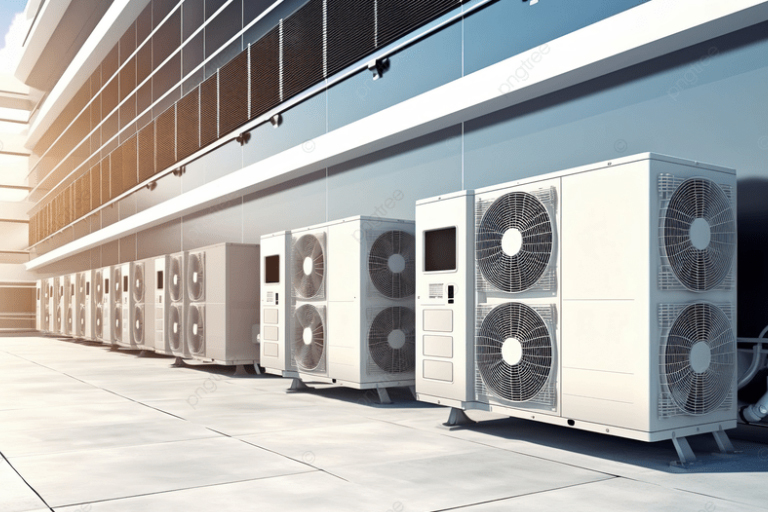
For years, most buildings in Nigeria were cooled with window units or split units. Walk through a newer development in Abuja today, though, and you’ll often find something different. More developers and property owners are turning to VRF Systems in Abuja for offices, homes and commercial buildings.
VRF stands for Variable Refrigerant Flow. Instead of a separate AC unit for every room, one system serves several indoor units and adjusts how much cooling each one gets. Below, we look at why the technology is catching on, what it offers and what to think about before you install one.
Why VRF Is Catching On in Abuja
Air conditioning has never been cheap to run in Nigeria. Grid supply is unreliable, generator fuel keeps getting more expensive, and running several standalone AC units adds up quickly. People still want cool, comfortable buildings. They just don’t want to pay so much for them.
That’s where VRF fits in. It’s a central system that delivers different temperatures to different parts of a building, depending on what each area needs. Three pressures in particular are pushing owners towards it.
Rising Energy Costs
Higher electricity and diesel costs have made households and businesses look hard at their power bills, and an AC unit in every room is expensive to run. A VRF system cuts wasted energy by sending cooling only where it’s needed, which helps bring running costs down.
Unreliable Power Supply
Many buildings depend on generators for long stretches of the day. Older, less efficient air conditioning adds to the strain. Because VRF uses less energy than several separate units, it puts a lighter load on the generator.
More and Bigger Buildings
As Abuja grows, more large residential, commercial and mixed-use buildings are going up. They have many rooms and floors, each with different cooling needs. VRF can serve all of them from one system, and it takes up less space than fitting a separate unit to every room.
Benefits of a VRF System
Here’s what property owners can expect from VRF:
- Lower energy use than traditional AC systems
- Separate temperature control for each room or zone
- Quieter operation
- Longer equipment life
- Fewer outdoor units, which frees up space and keeps the building looking tidy
- One system that can serve several floors
What to Consider Before Installing VRF
VRF has a lot going for it, but it isn’t the right choice for every building.
Building size. VRF usually suits larger properties best: offices, large homes, duplexes and buildings with several floors. For a small flat or a single room, a split unit is often the simpler option.
Cost. Buying and installing a VRF system usually costs more upfront than split units. Over time, the lower energy use can help make up the difference.
The installer. VRF involves refrigerant piping, multiple indoor units and careful design. A poorly sized or badly installed system cools unevenly and wastes energy, so it’s worth choosing an experienced HVAC contractor.
Maintenance. Like any air conditioning system, VRF needs regular check-ups to keep it running well and avoid breakdowns.
Is VRF Right for Your Building?
We expect VRF to keep gaining ground in Abuja. It saves energy, copes better with generator power and suits the way modern buildings are designed, and the city is still growing fast.
If you’re putting up a new building or replacing an outdated AC setup, it’s worth a look. At Pygar Group, we help property owners select, install and maintain air conditioning systems that suit their space, budget and constraints. Contact us today and see what a VRF system might be able to do for you!
Frequently Asked Questions
Which is better - VRF system or conventional split air conditioner?
It is depending on the area. Conventional split air conditioner will do the job great for a single room like a bedroom. For a couple of rooms or an entire office building, the VRF system is a better choice, and it consumes less energy than using several split units.
How long does a VRF system last?
A properly installed and maintained VRF system can have many years of useful operation ahead. However, how many - is depending on how frequently it is used and on its proper sizing for the area.
Can a VRF system run on generator power?
Yes. Since VRF consumes less energy comparing to other systems, it will place a less load on the generator, thus reducing the amount of fuel that is being used. The generator must be properly sized for VRF.
Is VRF only for offices?
No. Large homes and duplexes can use VRF too. It lets each room keep its own temperature, which works just as well in a family home as in an office.